
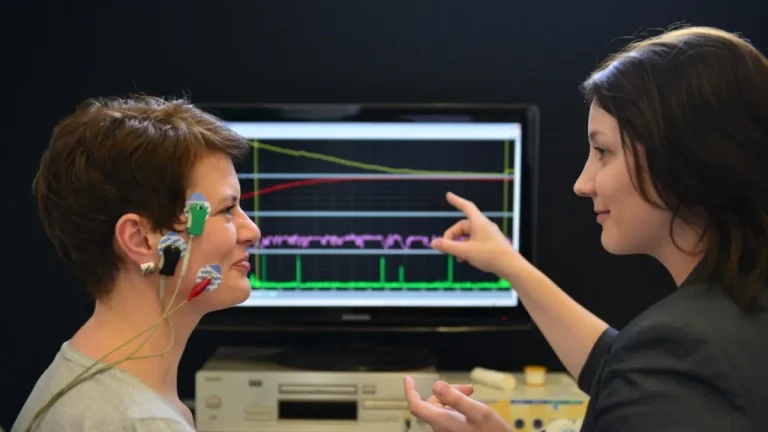
In today's digital era, brands are in a constant search to understand consumer behavior, and they no longer settle for just knowing what people think. The challenge is much deeper: identifying the underlying motivations behind their decisions. In this context, neuromarketing has emerged as a key discipline, exploring the brain and physiological processes that guide our choices.
Beyond traditional methods, neuromarketing aims to delve into the unconscious realm of emotions and thoughts that shape our buying behavior. Within this field, biofeedback has established itself as an essential tool for identifying and analyzing consumers' bodily responses to different stimuli. Thanks to the ability to measure physiological indicators like heart rate, brain activity, or skin response, biofeedback allows us to uncover emotional patterns that would otherwise remain invisible.
This powerful interaction between biofeedback and neuromarketing has the potential to profoundly transform how brands design and execute their marketing strategies, offering a more precise and authentic view of what truly impacts the consumer. This article from MoodWebs explores the concept of biofeedback, its connection with neuromarketing, its various applications, and the ethical challenges that arise with its implementation.
What is Biofeedback?
Biofeedback is a technique that allows individuals to obtain information about their bodily functions that they are typically unaware of. Through the use of electronic devices, biofeedback measures and provides real-time feedback on a variety of physiological parameters, such as heart rate, respiration, muscle activity, skin temperature, skin conductance, among others.
This biofeedback information allows the individual to become aware of their physical responses and, with practice, learn to regulate them. For example, if a person feels stressed, their heart rate may increase, and their skin may become sweatier.
Through biofeedback, one can observe these changes in real time and learn to relax through techniques like breathing or meditation, which helps reduce stress. This biofeedback technique has been used for decades in health areas such as hypertension treatment, anxiety disorders, and chronic pain management.
The term "biofeedback" was popularized in the 1960s when technological advancements allowed for the precise measurement of physiological parameters. Since then, biofeedback has expanded beyond medicine into areas such as psychology and wellness, and more recently, it has found innovative applications in marketing.

Origins and Connection with Neuromarketing
The concept of neuromarketing emerged in the 1990s as a way to apply neuroscience principles to the study of consumer behavior. Neuromarketing is an interdisciplinary field that uses tools from neuroscience to analyze how the brain responds to marketing stimuli, such as advertisements, products, or brands.
The goal of neuromarketing is to understand the emotions and unconscious processes that influence purchasing decisions. In this context, biofeedback presents itself as an extremely valuable tool, as it allows for the precise measurement of consumers' physiological reactions to marketing stimuli.
As neuromarketing experts realized that emotions play a crucial role in decision-making, they began searching for methods to quantify these emotions, which are often not accessible through traditional methods, such as surveys.
An important milestone in integrating biofeedback with neuromarketing was the work of Dr. David Lewis, who in the 1990s began researching how visual, auditory, and emotional stimuli could affect consumer behavior. By measuring physiological parameters such as heart rate and brain activity through biofeedback, it was discovered that emotions are not only subjectively perceived but are also reflected in measurable biological responses. This finding proved to be fundamental for the development of what we now know as neuromarketing.
What Does Biofeedback Measure in Neuromarketing?
In the context of neuromarketing, biofeedback is used to measure a variety of physiological responses, providing a detailed view of the consumer's unconscious reactions. Some of the main variables measured in biofeedback for neuromarketing include:
1. Brain Waves (EEG)
The electroencephalogram (EEG) is one of the most common tools in neuromarketing. A device is placed on the participant's scalp to record the brain's electrical activity. This biofeedback method allows for the identification of brain patterns associated with various emotional and cognitive states. For example, alpha waves indicate relaxation, while beta waves are associated with attention and concentration.
2. Heart Rate
Heart rate refers to the number of heartbeats per minute and is considered a key biofeedback indicator of emotions. An increase in heart rate is linked to heightened emotional excitement, while a low heart rate may indicate relaxation. Measuring this variable through biofeedback is useful for determining the emotional intensity of a response to a specific stimulus.
3. Muscle Activity (EMG)
Muscle activity, measured through electromyography (EMG), is used to detect small contractions in the facial muscles, particularly those associated with emotional expression. Micro-gestures like smiling or frowning can reveal a lot about a consumer's unconscious emotions, even if they are not consciously aware of them. This is crucial for neuromarketing.
4. Breathing
The frequency and depth of breathing are important indicators of emotional arousal. In stressful or exciting situations, breathing tends to become faster and shallower. In contrast, during calm and relaxed moments, breathing tends to be deeper and slower. Monitoring breathing through biofeedback allows for the identification of when a stimulus is generating an intense emotional reaction.
5. Galvanic Skin Response (GSR)
Skin conductance measures the amount of sweat on the fingers, which is activated in response to emotional stimuli. Through electrodes on the fingers using biofeedback, the level of emotional arousal of an individual can be evaluated. This is one of the most commonly used measurements in neuromarketing since sweating reflects an increase in autonomic nervous system activation, which is typically linked to strong emotions, whether positive or negative excitement.

Why is it Useful for Neuromarketing?
The main goal of neuromarketing is to understand consumers' emotional responses, as emotions play a fundamental role in purchasing decisions. While traditional surveys and interviews provide valuable information, they often fail to capture the complexity of human emotions or the unconscious responses that can influence behavior.
Biofeedback allows for the collection of objective, real-time data on how the body responds to marketing stimuli. This biofeedback information is crucial because it offers a more precise and direct view of the emotional response generated by an advertisement, product, or brand. Furthermore, biofeedback helps uncover emotional patterns that might be completely invisible through traditional methods.
For example, by analyzing consumers' physiological responses to an advertisement, one can determine whether the content genuinely creates an emotional connection or, conversely, generates boredom or disconnection. In this way, brands can adjust their campaigns to maximize emotional impact and effectiveness.
Applications of Biofeedback in Neuromarketing
The use of biofeedback in neuromarketing has found various applications in the industry. Some of the most notable ones include:
1. Evaluation of Advertisements
One of the most common applications of biofeedback in neuromarketing is the evaluation of advertisements. By measuring consumers' physiological reactions while watching a commercial using biofeedback, researchers can determine which elements of the advertisement generate the most emotional excitement and what level of attention it provokes. This allows neuromarketing to optimize ads to achieve greater impact with the audience.
2. Product and Packaging Design
Biofeedback is also used to study consumers' perceptions of product and packaging design. Through measuring brain activity and emotional responses provided by biofeedback, one can identify which colors, shapes, and textures attract consumers the most and generate positive emotional responses. This helps brands create products that resonate more with consumers' desires and expectations.
3. Immersive Experiences
With technological advancements, brands are creating immersive experiences for consumers, such as virtual reality stores or interactive installations. Biofeedback is used to measure emotional and physiological responses in real time, allowing the experience to be adjusted based on consumers' reactions, thereby creating a more personalized and engaging experience.
4. Optimization of Digital Content
Digital platforms, such as websites and mobile apps, can also benefit from the use of biofeedback. By measuring users' emotional responses to digital content, brands can adapt interfaces, designs, and content to maintain user attention and improve the overall experience.
Ethical Challenges of Biofeedback in Neuromarketing
Although the use of biofeedback in neuromarketing offers great opportunities, it also presents several ethical challenges that need to be carefully considered.
Informed Consent
Informed consent is essential when using technologies that capture information about individuals' physiological responses. Consumers must be fully informed about what data is being collected, how it will be used, and what consequences their participation may have.
Emotional Privacy
The use of biofeedback involves the collection of data about consumers' most intimate emotional responses. This raises concerns about emotional privacy and the use of this information without proper consent. Brands must ensure that this data is handled responsibly and that individuals' privacy is respected.
Emotional Manipulation
A significant challenge is the possibility that companies may use biofeedback data to emotionally manipulate consumers. While emotions are a powerful driver in purchasing decisions, their improper exploitation could lead to unethical manipulation. Brands must be transparent in their practices and avoid using biofeedback in ways that generate a false sense of need or desire in consumers.
Unequal Access to Technology
Biofeedback technologies can be expensive, and as a result, not all companies have access to them. This could create a disparity in the ability of brands to influence consumer behavior, potentially benefiting large corporations over small businesses.
Regulation and Governance
Given that neuromarketing and the use of biofeedback are constantly evolving, it is crucial to establish clear regulations that protect consumers' rights. The creation of specific legal frameworks could help mitigate ethical risks and ensure that the use of these tools remains within the boundaries of ethical business practices.

Biofeedback and neuromarketing have emerged as powerful tools in the world of modern marketing, enabling brands to understand and measure consumers' emotional and physiological responses with greater precision. These biofeedback and neuromarketing technologies provide invaluable insights into what truly happens in individuals' bodies when interacting with products, ads, or brands.
Through the direct measurement of emotional reactions, thanks to biofeedback and neuromarketing, businesses can design more personalized and effective strategies tailored to the unconscious processes that influence purchasing decisions. In this way, marketing stops being merely a matter of external persuasion and becomes an experience more aligned with the consumer's deep emotions and needs.
However, the use of biofeedback and neuromarketing technologies poses significant ethical challenges that should not be overlooked. The collection of physiological and emotional data raises concerns about emotional manipulation, as brands could gain access to intimate aspects of consumers' psyche.
Emotions, being a fundamental driver of decision-making, can be exploited to influence purchasing behavior more accurately, creating the risk that companies manipulate consumers' emotional reactions for their benefit, without consumers being fully aware of it. Moreover, the use of sensitive data about physiological and emotional responses also threatens consumer privacy, demanding careful management of the collected information.
It is crucial that brands using biofeedback in their neuromarketing strategies ensure consumers are fully informed about the use of these technologies. This involves providing clear and transparent consent about the collection of their emotional and physiological data.
Consumers must know in advance what information is being collected with biofeedback and neuromarketing, how it will be used, and what measures are being taken to ensure its protection. Only in this way can a trusting relationship be built between brands and consumers, based on transparency and mutual respect. Without this level of communication and consent, the use of biofeedback could lead to an emotional disconnect with consumers, negatively affecting the brand's reputation.
Ultimately, the future of neuromarketing will depend on finding a balance between technological innovation and ethical responsibility. While the opportunities provided by biofeedback and other measurement technologies are vast, their implementation must be accompanied by an ethical framework that protects the consumer. Brands must use these advancements responsibly, ensuring that not only are commercial benefits maximized, but that a more conscious and respectful consumer experience is also fostered.
By integrating the principles of ethics, transparency, and respect for consumers, neuromarketing can evolve from a powerful tool to a medium that also promotes consumer well-being, creating long-term relationships that benefit both parties. If you want to learn more about biofeedback and neuromarketing and how to integrate these tools into your marketing strategies, reach out to us at [email protected]. We have a team of experts ready to help you take your digital marketing to the next level.
 EN
EN  ES
ES