
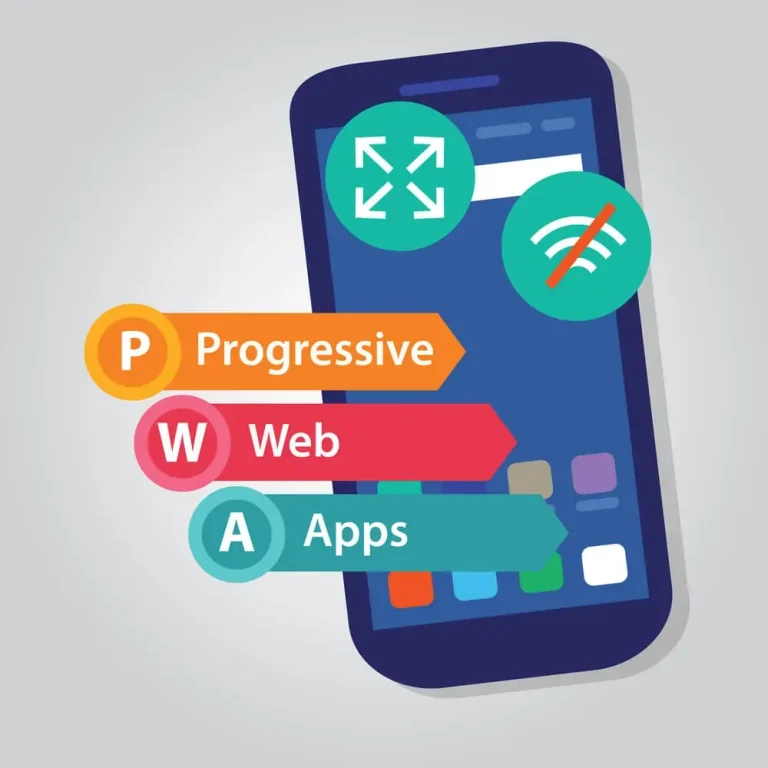
In the dynamic and ever-changing world of web development, Progressive Web Apps (PWAs) have emerged as one of the most disruptive and promising technologies in recent years. These Progressive Web Apps represent an innovative fusion between the best of traditional websites and native mobile applications, allowing users to enjoy a rich and smooth experience, similar to that of an app installed on their devices, without the need to go through app stores.
With their ability to function across various platforms and devices, Progressive Web Apps have seen growing adoption, especially due to their unique features: extremely fast loading times, the ability to use them offline, and easy installation directly from the browser.
What makes Progressive Web Apps even more attractive is their ability to offer agile and seamless performance, making them an ideal option for both mobile and desktop users. Furthermore, the flexibility and reduction in development costs and time make Progressive Web Apps a very appealing solution for companies looking to optimize their resources while enhancing user experience.
Throughout this MoodWebs article, we will explore in detail the future of websites that adopt Progressive Web Apps, how this technology is impacting the tech industry, and how it could transform the way we interact with the web, taking the digital experience to a new level of accessibility and efficiency.

What are Progressive Web Apps (PWAs)?
Progressive Web Apps (PWAs) are modern web applications developed using standard technologies like HTML, CSS, and JavaScript to create user experiences similar to those of mobile apps, but without requiring users to download an application from a traditional app store. This feature is one of the main differences between Progressive Web Apps and native mobile applications, which rely on platforms like Google Play Store or Apple App Store.
One of the standout features of Progressive Web Apps is that they can function smoothly and efficiently across both mobile and desktop devices. Through technologies like Service Workers and Web Manifests, Progressive Web Apps allow users to access an experience that can be installed on their device, even without an internet connection, and interact with advanced features like push notifications.
Progressive Web Apps are considered "progressive" because they adapt to the capabilities of the browser and the device. This means that any device, regardless of its specifications, can benefit from these web applications. Even older browsers and devices can run a simpler version of the Progressive Web App, ensuring accessibility for a wide range of users.
The Growing Popularity of Progressive Web Apps
Since their introduction by Google in 2015, Progressive Web Apps have shown an impressive ability to evolve, adapt, and meet market demands. Initially, the idea of a web application that could replace a native app seemed distant. However, over time, various companies and developers have begun to adopt this approach due to the immediate benefits offered by Progressive Web Apps.
Progressive Web Apps have been used by tech giants like Twitter, Spotify, Pinterest, Alibaba, and Starbucks, who have transformed their traditional platforms into Progressive Web Apps, significantly improving the performance of their websites, increasing user retention rates, and providing a more consistent and faster experience, regardless of the user's device or network connection.
For instance, in the case of Pinterest, it was demonstrated that adopting a Progressive Web App increased its retention rate by 60% and multiplied user engagement on the platform. Additionally, progressive applications have proven to be extremely effective for emerging markets, where users often have limited network connections and low-performance devices. The ability of Progressive Web Apps to function offline and efficiently manage data usage has allowed them to gain significant acceptance in these regions.
Advantages and Benefits of Progressive Web Apps
Progressive Web Apps are gaining traction due to their numerous benefits, offering both companies and users advantages over traditional app development methods. Below are the main benefits of Progressive Web Apps:
1. Improved Speed and Performance
Page load speed is one of the most critical aspects of user experience, and Progressive Web Apps excel in this area. By using technologies like resource caching, Progressive Web Apps can load content instantly from local storage, significantly improving speed and efficiency compared to traditional websites.
Service Workers, a key component in the architecture of Progressive Web Apps, allow applications to store page resources and load them from local storage. This eliminates the need to make constant requests to the server, which not only reduces loading time but also improves network efficiency.
2. Offline Functionality
One of the key features that sets Progressive Web Apps apart from traditional websites is their ability to function without an internet connection. Thanks to Service Workers, Progressive Web Apps can continue to operate even when the network connection is intermittent or unavailable. This is especially useful for users who are in areas with limited internet access, such as rural areas or while traveling.
3. Easy Installation and Universal Accessibility
Unlike native apps, which require the intervention of app stores, Progressive Web Apps can be installed directly from the browser with just one click on an "Add to Home Screen" button. This makes it easier to distribute Progressive Web Apps without the strict requirements set by platforms like iOS or Android.
Additionally, since they are web-based, Progressive Web Apps are accessible from any device with a compatible browser, giving them global and cross-platform reach.
4. Lower Development and Maintenance Costs
Developing native apps for different platforms, such as iOS and Android, can be costly and labor-intensive. However, Progressive Web Apps eliminate the need to create separate versions for each operating system. Developers can write a single version of the app that works across all devices, significantly reducing development and maintenance costs.

The Future of Progressive Web Apps: Emerging Perspectives and Trends
The future of Progressive Web Apps (PWAs) looks promising, as more and more companies are betting on this technology to improve user experience and optimize their development processes. As the web and mobile app markets continue to evolve, Progressive Web Apps are positioning themselves as a key solution for the needs of modern businesses.
1. Improvements in User Experience
User experience is one of the most important aspects of any application, and Progressive Web Apps are set to keep evolving in this regard. As browsers and devices improve, Progressive Web Apps will be able to offer an even richer and more interactive experience. It is expected that in the future, Progressive Web Apps will integrate advanced technologies such as Augmented Reality (AR), Artificial Intelligence (AI), and Machine Learning, allowing for even more personalized experiences based on user needs.
For example, the integration of Augmented Reality (AR) in Progressive Web Apps could allow users to interact with products in a more immersive and personalized way. Pinterest has already implemented AR technologies on its platform, enabling users to try products in their virtual environment before making a purchase.
2. Integration with New Technologies
Progressive Web Apps have the potential to integrate with emerging technologies that will transform the way we interact with them. 5G, for instance, will allow faster and more stable connection speeds, facilitating instant content loading and improving the experience of Progressive Web Apps, especially on mobile devices.
Furthermore, the incorporation of technologies such as Internet of Things (IoT) and the use of biometric sensors will open new possibilities for the creation of smarter and more contextual web applications.
3. Expansion in Emerging Markets
One of the most promising aspects of Progressive Web Apps is their impact on emerging markets, where users face limitations in hardware, data, and connectivity. Progressive Web Apps are designed to be fast and lightweight, making them ideal for regions with more limited technological infrastructure.
Companies in countries like India, Brazil, and Africa have started adopting Progressive Web Apps due to their ability to deliver an excellent user experience without requiring a constant internet connection or high-performance devices. This has allowed companies to reach larger markets that were previously inaccessible through traditional mobile apps due to cost barriers and data availability.
4. Increased Support from Browsers and Operating Systems
Support for Progressive Web Apps has grown significantly in recent years, particularly with the adoption by popular browsers like Chrome, Firefox, and Microsoft Edge. Despite compatibility limitations on iOS (where Progressive Web Apps integration is more restrictive compared to Android), support for Progressive Web Apps is improving across ecosystems.
In the future, browsers and operating systems are likely to continue improving their support for Progressive Web Apps, allowing these web apps to integrate even more with device functionalities, such as push notifications, camera access, and biometric recognition.
5. Adoption by Traditional Businesses
Companies operating in traditional sectors, such as banks, retailers, or government agencies, are starting to view Progressive Web Apps as a more efficient and accessible solution than native apps. Many of these companies are focusing on the development of Progressive Web Apps to offer their customers a faster and simpler user experience without relying on app stores.
Challenges and Obstacles Still Faced by Progressive Web Apps
Despite their numerous benefits, Progressive Web Apps still face several challenges on their path to global adoption. One of the main obstacles is the resistance from app stores, which remain a primary distribution channel for mobile apps. While Progressive Web Apps can be installed directly from a browser, the lack of presence in app stores limits their visibility and reach.
Another significant challenge is fragmentation in browser and platform support. Although popular browsers like Chrome and Firefox offer full support for Progressive Web Apps, Safari on iOS still presents some restrictions that limit the functionality of these apps on Apple devices. However, it is expected that over time, Apple will implement improvements to ensure greater compatibility with Progressive Web Apps.

Progressive Web Apps (PWAs) not only represent the future of web development, but they are also setting a new standard for digital applications. Thanks to their ability to combine the best of traditional websites with native mobile apps, they offer a fast, smooth, and accessible user experience without the high development and maintenance costs that come with native apps.
As technology continues to evolve and browsers improve their compatibility with this technology, Progressive Web Apps will become increasingly essential for any digital strategy. Universal accessibility, instant loading speeds, and the ability to operate offline are just some of the aspects that will continue to gain importance, not only in the tech sector but also in more traditional industries seeking to modernize their digital platforms.
Companies adopting Progressive Web Apps will be better positioned to face the challenges of a highly competitive and ever-changing global market. In an environment where user experience is key, Progressive Web Apps enable faster load times and much more agile interaction, which translates into higher retention rates and user satisfaction.
Additionally, the simplified development model and low maintenance costs, compared to traditional mobile apps, provide companies with a significant advantage. This will allow even small and medium-sized enterprises to compete with tech giants, offering high-quality experiences without the need for large investments.
Looking toward the future, Progressive Web Apps are poised to play a crucial role in the evolution of the digital ecosystem. The integration of new technologies such as artificial intelligence, augmented reality, and 5G connectivity will further expand the capabilities of Progressive Web Apps, enabling even more personalized and immersive experiences.
These applications have the potential to transform not only the way we interact with websites but also how we connect with the digital world. With their easy access, optimized performance, and adaptability to various devices and platforms, Progressive Web Apps are set to become one of the cornerstones of the future of the web, redefining the concept of digital applications globally. If you want to learn more about the latest trends for your brand, contact us at [email protected]. We have a team of experts ready to provide you with the advice you need.
 EN
EN  ES
ES