
Physical stores have been a central axis in commerce for centuries, offering consumers the opportunity to experience products firsthand and have direct contact with brands. Over time, these spaces have been conceived not only as places to make purchases but as centers where brands can establish an emotional connection with their audience. However, with the arrival of digital transformation and the rapid advancement of new technologies, the retail landscape has changed radically.
The growth of e-commerce, mobile shopping, and consumers' preference for immediacy have led brands to rethink their strategies. In this context, traditional physical stores have had to adapt to the new expectations of the consumer, who no longer only seeks products, but unique and immersive experiences that allow them to interact deeply with the brand.
In response to this shift, flagship stores have emerged as one of the most innovative and effective strategies in the retail sector. These flagship stores not only function as points of sale but have transformed into multifunctional spaces where brands can offer differentiated experiences that integrate both the physical and digital worlds. By 2025, these flagship stores have consolidated themselves as places of interaction, culture, and customer loyalty, representing not only a showcase of products but a reflection of the brand's identity.
As consumer expectations continue to evolve, flagship stores keep redefining what it means to "shop," becoming centers that offer a complete experience that goes beyond a mere transaction and ventures into the realm of sensory experiences and emotional connections. In this way, flagship stores are positioning themselves as key elements in brands' strategies to consolidate their presence and relevance in the future retail world.

What is a Flagship Store?
The concept of a flagship store has gained strength in recent decades, but its evolution and relevance in the near future have made its definition even broader. In simple terms, a flagship store is a brand's flagship store. Typically, a flagship store is characterized as one of the largest, most exclusive, and iconic stores of the brand, located in strategic commercial areas, such as major avenues or high-visibility urban centers.
These flagship stores not only sell products, but aim to offer a unique and different experience that makes the customer feel immersed in the brand's universe. According to several industry experts, as mentioned in PuroMarketing, flagship stores have been designed to highlight a brand's identity and values, allowing customers to interact with products in ways that go beyond a simple transaction. Flagship stores become the brand’s most luxurious showcase, where atmosphere, design, and interaction are as important as the products themselves.
The Transformation of Flagship Stores: An Evolving Concept
In 2025, flagship stores are undergoing constant reinvention. They are no longer limited to being just points of sale; flagship stores have become centers for immersive experiences. Brands are understanding that physical space is a stage that can be utilized in many ways, from creating exclusive events to implementing new technologies that enable a personalized and unique experience.
A key trend that has solidified in recent years is the use of technology within flagship stores. Retail has experienced a process of digitalization in which flagship stores play a crucial role. By 2025, it is common to find flagship stores equipped with tools like artificial intelligence, augmented reality (AR), and virtual reality (VR), offering customers the ability to interact with products in ways that were previously only available online.
This technology not only facilitates the purchase but also makes the experience of visiting a flagship store something memorable and different. Furthermore, brands are incorporating personalization into their offerings. Consumers increasingly seek tailor-made experiences, and flagship stores are the perfect place to offer these services. From personalized clothing to products created in collaboration with customers, flagship stores provide an opportunity for consumers to feel part of the product creation process.
Flagship Stores: A Link Between the Physical and Digital Worlds
Although digitalization has transformed the way we shop, the importance of physical stores has not diminished. In fact, in many cases, the flagship store becomes a connection point between the digital and physical worlds. According to several studies, the omnichannel experience has solidified as one of the strongest trends in retail. Brands are betting on seamlessly integrating their online and offline channels, allowing consumers to enjoy the flexibility of shopping online and picking up in-store, or even trying products in the flagship before purchasing them through their mobile apps.
This omnichannel approach not only meets consumer expectations in terms of convenience but also enables brands to gather valuable data about purchase behavior and customer preferences. Data management systems allow brands to offer personalized offers and, in some cases, even real-time promotions based on the customer's location or type of interaction with the store.
For example, some brands have implemented smart stores that offer customers a more seamless shopping experience. By using sensors and mobile apps, customers can receive personalized recommendations based on their purchase history or preferences and find the product they’re looking for without having to navigate the entire store. This type of solution, which integrates both the physical and digital worlds, is one of the reasons flagship stores remain essential for brands.

The Role of Flagship Stores in Sustainability
One of the most prominent aspects we will see in flagship stores in 2025 will be a stronger focus on sustainability. As consumers become more aware of the environmental impact of their purchasing decisions, brands are responding with concrete efforts to make their physical stores more sustainable. This includes using recyclable materials in store design, integrating renewable energy systems, reducing waste, and promoting responsible consumption through eco-friendly or fair-trade products.
Flagship stores of brands like Patagonia, IKEA, and Nike are already adopting these initiatives, and in the coming years, more companies are expected to join this trend. The key for these brands will be not only meeting consumer expectations but also leading by example and being transparent about their efforts toward sustainability.
This approach is not limited to the physical aspects of the stores. Brands are also exploring sustainability in their product offerings. By 2025, we are likely to see more brands offering limited collections of eco-friendly and sustainable products, available exclusively in their flagship stores. This not only attracts environmentally conscious consumers but also strengthens the emotional bond with those who value social and environmental responsibility.
The Customer Experience: The New Heart of Flagship Stores
In 2025, the customer experience is the central focus in the operation of flagship stores. Brands are concentrating on creating an environment that makes consumers feel special, want to stay longer, and seek to return. This is achieved not only with the store's aesthetic design but also with the interactions provided.
For example, many brands are incorporating virtual assistants or personalized concierges inside their flagship stores. These assistants, through mobile apps or interactive screens, help customers find the products they are looking for, suggest related products, or even allow them to customize certain items instantly.
These technologies in flagship stores also allow the store to be available 24/7, giving customers the opportunity to interact with the brand at any time, regardless of store hours. Additionally, there is a greater emphasis on customer service in these flagship stores. Employees are no longer just salespeople; they are true brand ambassadors.
Training to offer exceptional service has become a priority in flagship stores, as consumers now expect not only high-quality products but also outstanding customer service. Flagship stores in 2025 are designed to provide complete sensory experiences, where every corner is designed to positively impact the customer.
From lighting to the design of spaces, including ambient music and aromas, every detail of the flagship store serves a purpose. This attention to detail not only aims to captivate the customer but also to offer an emotional experience that makes them remember the brand long after leaving the flagship store.
Flagship Stores: A Cultural Impact
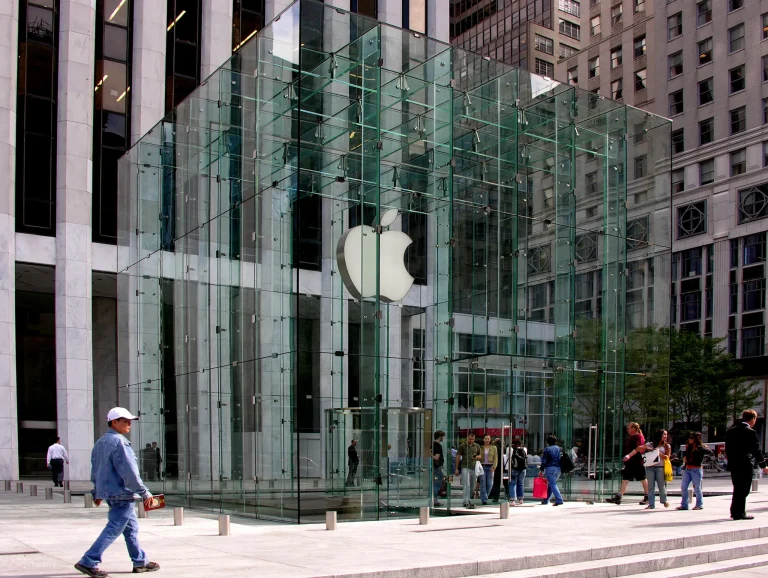
The flagship store is no longer just a store, but a cultural meeting point. In 2025, it is common for brands to organize events, concerts, exhibitions, or activities that make people feel part of a community. For example, Apple, with its iconic flagship store in downtown New York, not only offers products but organizes workshops and events for its users, fostering creativity and innovation.
This type of event and activity has proven to be very effective in creating a loyal brand community. Customers don't just go to flagship stores to buy a product, but to experience something larger, something that allows them to connect with others who share their interests. This is one of the reasons why flagship stores from brands like Nike, Chanel, or Louis Vuitton have become true pilgrimage spots for fashion and luxury lovers.
Moreover, in an increasingly globalized and digitized world, brands have found in flagship stores an excellent point of connection with local values and urban cultures. Many brands are collaborating with local artists to design installations or exclusive products, creating a deeper bond with the communities in which they operate. This approach not only supports local creativity but also allows brands to resonate more authentically with consumers.
The Profitability of Flagship Stores
Although flagship stores represent a significant investment for brands, they also offer great benefits in terms of profitability and customer loyalty. According to reports from companies like Deloitte, these flagship stores not only function as sales centers but as powerful marketing tools. By creating unique and memorable experiences, brands increase consumer engagement and strengthen their brand image.
The impact of these flagship stores is not limited to direct sales; they also reinforce brand presence and attract new customers through word of mouth and social media. By 2025, the presence of a flagship store in a global city has become a symbol of status for brands, which aim to position themselves as leaders in their industry.

Flagship stores in 2025 represent a significant evolution of retail, adapting to the demands of a more informed, demanding, and conscious consumer. The integration of physical and digital elements, the personalization of experiences, and the commitment to sustainability are the three key trends that will define the future of flagship stores.
Brands that manage to embrace these changes and create a smooth, authentic shopping experience aligned with consumer values will be better positioned to continue leading the global market. In this sense, flagship stores are no longer just a sales strategy but a crucial tool for building long-term customer relationships.
Moreover, the true essence of flagship stores goes beyond offering high-quality products. These flagship stores are designed to create experiences that emotionally connect with consumers, transforming the purchase into a memorable act. Brands, rather than focusing solely on transactions, are betting on involving customers in their narrative, allowing them to be an active part of the brand's story.
In this sense, the flagship store becomes an interactive stage where consumers not only purchase products but immerse themselves fully in the brand's world, from its aesthetics to its philosophy. Ultimately, the retail of the future will be one that successfully integrates technology, sustainability, and the customer experience. Flagship stores, as iconic spaces, will be the neural hubs where these three forces intersect to offer a unique and differentiated experience.
As the retail landscape continues to transform, brands that manage to adapt their physical stores to these new demands will have the opportunity to stand out, not only as shopping destinations but as places of living experiences, where each visit reinforces the emotional bond between the customer and the brand.
The key to success will always be creating an experience that makes consumers feel that they are not just buying products but becoming part of something much larger. If you want to learn more about innovations in the marketing world and how they can enhance your brand, write to us at [email protected]. We have experts to advise you on the latest trends.
 EN
EN  ES
ES