
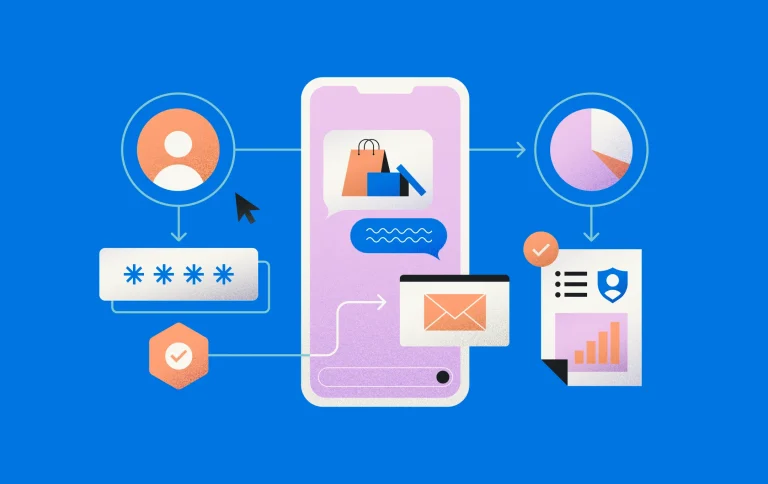
In today’s digital economy, data has become one of the most valuable assets in the world. Technology companies, digital platforms, and organizations across nearly every sector rely on large volumes of information to design products, optimize services, predict behavior, and develop highly personalized marketing strategies.
Every interaction a person has online—a search, a click, a purchase, a “like,” or even the time spent viewing content—generates data that can be analyzed to extract behavioral patterns. For much of the development of the internet, the dominant data collection model was based on a one-sided logic.
Companies collected information from users passively through cookies, trackers, or algorithms that inferred preferences from digital behavior. In many cases, users were not fully aware of the extent of this data collection or of the economic value their data generated. In exchange for free services such as social networks, search engines, or mobile apps, consumers gave up large amounts of personal information that was later used for advertising or analytical purposes.
However, this model is undergoing a significant transformation. In recent years, social concern over digital privacy, data transparency, and the power held by large tech platforms has increased. At the same time, stricter regulations have emerged, requiring companies to obtain explicit consent to collect personal information and to offer greater user control.
This context has driven the development of new economic models based on data sovereignty, an approach that seeks to return control over personal information to the individual and allow them to participate in the value generated from it. One of the most relevant concepts in this new economy is zero-party data, which refers to data that users voluntarily choose to share with a brand.
Unlike traditional models based on hidden tracking or algorithmic inference, zero-party data is grounded in transparency, explicit consent, and direct value exchange between companies and consumers. The evolution of these systems is giving rise to new economic models in which companies not only request information but also offer tangible benefits—such as discounts, personalized services, or even direct payments—in exchange for the data provided by users.
This phenomenon marks the beginning of a profound transformation in the digital economy, where individuals move from being mere data sources to becoming active participants in information markets.

The Data Economy and the Limitations of the Traditional Model
Since the early 21st century, the digital economy has been driven by massive data analysis. Companies use big data technologies, artificial intelligence, and machine learning to process enormous volumes of information and better understand consumer behavior. Thanks to these systems, companies can personalize ads, anticipate purchasing decisions, adjust pricing, and design products tailored to market preferences.
For years, much of the digital economy relied on business models centered on data monetization. Many platforms offered seemingly free services but actually earned revenue from targeted advertising and analysis of user information. Every piece of data collected—from location to consumption interests—increased advertisers’ segmentation capabilities and the economic value of digital platforms. However, this model largely depended on passively collected data, such as third-party data obtained through cookies or trackers.
Traditionally, companies worked with first-party data, second-party data, and third-party data—that is, data obtained directly, shared among partners, or purchased from intermediaries. But as privacy concerns grew and third-party cookies were gradually phased out, many companies began seeking more transparent alternatives. In this new landscape, zero-party data has become one of the most important strategies for collecting information ethically and with consent.
Zero-party data is based on data that users voluntarily share with a brand, creating more transparent relationships between companies and consumers. Unlike traditional tracking systems, zero-party data ensures that the user knows what information is being shared and for what purpose. This makes zero-party data a key tool in marketing strategies focused on trust and personalization.
Additionally, zero-party data allows companies to obtain more accurate information about users’ real interests, preferences, and needs. For this reason, an increasing number of organizations are developing strategies centered on zero-party data, incorporating surveys, personalized profiles, and interactive experiences that encourage users to share information voluntarily. In this context, zero-party data not only represents a technological evolution but also a profound shift in the relationship between brands and people within the digital economy.
Data Sovereignty: Toward a User-Centered Model
The concept of data sovereignty is based on the idea that people should have control over the information they generate in the digital environment. In practice, this means that users should be able to decide what data they share, with whom, for how long it can be used, and for what purpose. In this new scenario, zero-party data plays a fundamental role, as it represents information that users themselves choose to share voluntarily and consciously.
This approach represents a significant shift from the traditional digital economy model. For years, large tech platforms concentrated enormous amounts of information and unilaterally decided how to use it. Data sovereignty proposes a more balanced system where users actively participate in managing their information and where strategies based on zero-party data enable more transparent relationships between companies and consumers.
Data sovereignty also relates to the broader concept of digital sovereignty, which refers to the ability of individuals, organizations, or even states to control their technological infrastructure, digital systems, and informational resources. On a personal level, this idea implies that users can manage their information as a personal asset—something especially relevant when sharing zero-party data with brands or digital platforms.
This perspective opens the door to a profound transformation of the digital ecosystem. If individuals are the legitimate owners of their information, they should also be able to decide how to use it, when to share it, and under what conditions. In this context, zero-party data becomes a key tool, allowing users to share information consciously while companies build strategies based on zero-party data that prioritize transparency and trust.
Ultimately, data sovereignty introduces the possibility of creating new personal information markets. In these systems, users can exchange zero-party data with companies in return for benefits, personalized services, or even monetary compensation. In this way, zero-party data not only represents an evolution in information collection but also a structural change in the digital economy, where individuals participate more actively in the value generated by their own data.

What is Zero-Party Data and Why It Is Key in the New Digital Marketing?
The concept of zero-party data describes the information that consumers voluntarily share with a company in a direct and intentional way. Unlike other types of data, zero-party data is not obtained through automatic tracking or algorithmic inference. Instead, zero-party data is explicitly provided by the user themselves through forms, surveys, personalized profiles, or direct interactions with a brand.
This type of zero-party data can include personal preferences, purchasing interests, demographic characteristics, consumption habits, or even information about future plans. For example, when a customer answers a questionnaire indicating which products interest them, which brands are their favorites, or what types of experiences they are looking for, they are generating zero-party data that the company can use to better understand their needs.
The main feature of zero-party data is explicit consent. The user knows exactly what information they are sharing and understands the purpose for which that zero-party data will be used. This transparency allows for a more balanced relationship between company and consumer, since zero-party data is based on a conscious decision by the user and a clear exchange of value.
Another important advantage of zero-party data is its accuracy. While traditional systems must infer preferences from digital behavior, zero-party data comes directly from the consumer, which reduces interpretation errors. For companies, working with zero-party data enables the development of more effective, personalized marketing strategies that align with the actual interests of their clients.
The rise of zero-party data is also linked to the gradual disappearance of third-party cookies in many browsers and digital platforms. With the loss of these tracking tools, many organizations are adopting strategies based on zero-party data, as zero-party data offers a more transparent, sustainable, and privacy-respecting alternative in the long term.
Value Exchange: Data in Return for Benefits
The success of the zero-party data model depends on a fundamental principle: value exchange. For users to be willing to share zero-party data, companies must offer clear and tangible benefits in return for that zero-party data.
These benefits can take different forms. Many brands use loyalty programs in which customers receive discounts, rewards, or exclusive access to certain products in exchange for sharing zero-party data. Other companies offer personalized experiences, premium content, or recommendations tailored to the preferences users provide through zero-party data.
In some cases, the exchange of zero-party data can include direct financial compensation. Under this approach, zero-party data becomes a negotiable resource that can even generate income for the users themselves. This model transforms the relationship between consumers and companies, as the user moves from being a passive recipient of advertising to an active participant in the zero-party data economy.
Moreover, this type of interaction can strengthen the trust relationship between brands and their customers. When users perceive transparency in the use of zero-party data and receive a real benefit in return for sharing zero-party data, they are far more likely to continue providing zero-party data in future interactions.
Personal Data Markets and New Economic Opportunities
One of the most innovative ideas associated with data sovereignty is the creation of personal data markets based on zero-party data. In these systems, users can decide to sell, lease, or share their zero-party data with companies interested in analyzing specific behavioral patterns.
In this context, zero-party data becomes an economic asset that can be managed similarly to other digital resources. Individuals could choose which companies can access their zero-party data, for how long that zero-party data can be used, and under what economic conditions the zero-party data is exchanged.
Some research in the digital economy has explored methods for calculating the value of zero-party data. One approach involves measuring how much the accuracy of advertising or recommendation algorithms improves when incorporating specific zero-party data. The greater the impact of that zero-party data on system efficiency, the higher the economic value associated with that zero-party data.
Although the zero-party data-based market is still in an early stage of development, its potential is significant. If implemented transparently and regulated appropriately, the exchange of zero-party data could create new opportunities for tech platforms, data intermediaries, and analytics services that work directly with zero-party data provided by users themselves.
Technologies Enabling Data Sovereignty
The implementation of models based on zero-party data and direct compensation relies heavily on new technological infrastructures. Among the tools driving this transformation are personal data management platforms, which allow users to store their zero-party data in secure environments and decide which companies can access that zero-party data.
Another relevant technology for zero-party data development is blockchain, which allows transactions involving zero-party data to be recorded transparently and verifiably. Thanks to smart contracts, it is possible to create automatic agreements in which access to certain zero-party data is granted only when specific conditions are met, such as payment of compensation for the use of that zero-party data.
Similarly, decentralized digital identity systems allow users to prove certain attributes—such as age, location, or preferences—without revealing more information than necessary. This facilitates the exchange of zero-party data more securely, reduces privacy risks, and enables digital ecosystems where zero-party data is shared under greater user control.

The data sovereignty economy represents an important evolution in how personal data is managed and monetized in the digital environment. For decades, the value generated by user information was mainly captured by tech platforms and companies operating in the digital ecosystem. However, growing interest in privacy, transparency, and individual control is driving the emergence of more balanced models, with zero-party data at the center.
Zero-party data lies at the heart of this transformation, promoting a system based on explicit consent and direct value exchange between brands and consumers. In this model, users share zero-party data voluntarily in exchange for clear benefits, which can range from personalized experiences to financial compensation. More and more companies are adopting strategies centered on zero-party data, building trust with clients and obtaining precise, valuable information to improve their services.
Although challenges remain regarding the valuation of zero-party data, information security, and market regulation, the trend points toward a digital economy in which individuals play a much more active role in managing their data. In that future, zero-party data will no longer be a resource exploited unilaterally by companies but will become an asset that people can manage, negotiate, and monetize within a more transparent and equitable digital ecosystem.
If you want to implement strategies based on zero-party data and make the most of the data sovereignty economy, MoodWebs can help. Discover how to optimize the collection and management of zero-party data for your business and write to [email protected] for more information and personalized guidance.
 EN
EN  ES
ES