
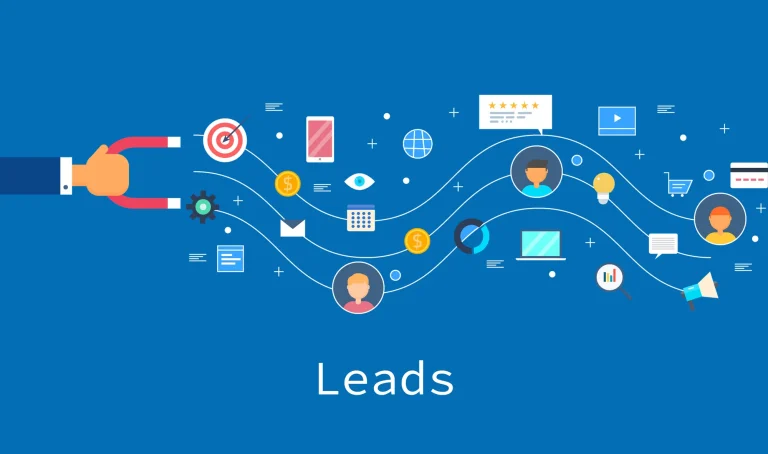
In the realm of digital marketing, one of the fundamental pillars of any effective inbound strategy is the proper qualification of leads. Attracting traffic to a website or generating thousands of contacts has no real value if that data is not managed intelligently and systematically. This is where two crucial concepts emerge: MQL (Marketing Qualified Lead) and SQL (Sales Qualified Lead).
MQL and SQL are not merely labels, but key indicators of the exact moment a potential customer is in within the buying process. Knowing how to differentiate between MQL and SQL — and acting accordingly — can make the difference between closing a sale or losing an opportunity.
Although many companies focus heavily on attracting users, few dedicate the same attention to the next step: qualifying, nurturing, and converting. And this is a serious mistake. The inbound marketing process doesn’t end when someone submits their email through a form; on the contrary, that’s just the beginning.
The lead has taken the first step, but still needs education, trust, and guidance to become a customer. That’s why a deep understanding of what distinguishes an MQL from an SQL — and how to manage each properly — is vital to aligning the efforts of the marketing and sales teams and to building a strong and efficient sales funnel. Below, MoodWebs explains everything about MQLs and SQLs.
What is a lead in inbound marketing?
Before diving into the difference between MQL and SQL, we must be clear on what a lead is in the context of inbound marketing. A lead is, essentially, a contact who has shown interest in a company’s products or services, usually by voluntarily sharing their data in exchange for some kind of value — such as downloadable content, access to a promotion, participation in a webinar, or simply by filling out a contact form. This action, although it may seem simple, represents the first step in a deeper and potentially profitable relationship for both sides.
A lead, however, is not a customer. In fact, in many cases, a lead is far from being one. That’s why one of the most common mistakes companies make is assuming all leads have the same level of interest or are equally ready for an immediate purchase. Nothing could be further from the truth. In inbound marketing, leads can be at different levels of awareness, purchase intent, and alignment with the product. That’s why qualification is essential. Properly classifying leads allows for better resource optimization, message personalization, and an increased probability of conversion.

What is an MQL?
The term MQL (Marketing Qualified Lead) refers to contacts who have shown clear signs of interest in the company’s marketing efforts, but who are not yet ready for direct interaction with the sales team. In other words, an MQL is more informed than a basic lead, has interacted with relevant content, and has taken meaningful actions (such as downloading a technical guide or attending a webinar), and begins to show that they are actively exploring options to solve a problem or meet a need.
However, the MQL is still evaluating. An MQL hasn’t made a purchase decision or expressed an immediate desire to buy a product or service. The MQL is in what many marketing methodologies call the consideration stage. At this stage, their behavior indicates they recognize a challenge and are seeking information to resolve it, but they still need to be nurtured, guided, and convinced that the solution offered by the company is the right one.
A common mistake is to hand this lead directly over to the sales team. Without proper preparation — without receiving educational content that conveys the brand’s value proposition — the MQL may feel pressured or intruded upon. This not only reduces the chances of closing the sale, but could even lead the lead to drop out of the process altogether.
Typical MQL behaviors
An MQL typically visits the website repeatedly, reads blog posts, downloads useful resources like ebooks or templates, and subscribes to newsletters or mailing lists. Additionally, an MQL may follow the company on social media, occasionally engage with the content, leave comments, or share posts within their network. These actions reflect genuine interest from the MQL, though still not enough for a direct sale.
It’s also common for the MQL to complete forms providing basic personal and professional data, such as name, email address, industry, and job title. This information allows the company to segment the MQL and begin an effective, personalized, and automated lead nurturing strategy. As more is learned about their interests, challenges, and digital behavior, the company can build a more complete lead profile and determine when the MQL is ready to move forward.
Strategies to generate MQLs
To generate MQLs effectively, companies should focus on creating attractive, relevant content that resonates with the specific problems of their audience. The most effective strategies include producing blog posts, ebooks, infographics, and white papers. Additionally, it’s crucial to have a well-implemented data capture system using smart forms that not only collect basic information but also help segment leads based on their interests and behaviors.
A multichannel marketing strategy is also essential for MQL generation. Using social media, email marketing campaigns, and paid advertising can amplify the effectiveness of lead generation. This allows companies to reach leads at different points in their buyer journey, maximizing acquisition opportunities.
What is an SQL?
The SQL (Sales Qualified Lead), in contrast, represents an evolution of the MQL. An SQL is a contact who has already been nurtured with content, has shown deeper interest, and has given concrete signs of purchase intent. At this stage, the lead not only recognizes their problem, but has identified that your solution may be the right one — and is therefore ready to be contacted by the sales team.
The SQL is in the decision stage of the buyer's journey. This means that the SQL is not only considering a purchase but is already comparing providers, evaluating prices, analyzing specific features, and probably looking for final arguments to justify their choice. At this point, the role of the sales team is crucial: they must provide quick, accurate, and personalized attention to accompany the lead through the final steps toward conversion.
Not all leads will reach this stage, and not all who do will become customers. However, the chances of closing a sale are much higher when an SQL is handled properly, since they have already gone through the education process, overcome initial objections, and are ready to make a decision. Treating them as if they were still an MQL could mean a missed opportunity.
Typical SQL behaviors
An SQL has engaged in several interactions with the content, showing clear signs that they are beyond the exploration stage. These signs include requesting a product demo, asking about pricing or features, comparing with direct competitors, or requesting a sales meeting to discuss purchase details. Additionally, the SQL usually has a clear time frame and defined budget, allowing the sales team to assess the viability of closing the deal.

How to differentiate between MQL and SQL?
The most notable difference between an MQL and an SQL is their level of purchase intent. While the MQL is in a process of discovery and learning, the SQL is already evaluating providers and concrete acquisition options. However, this distinction is not always obvious without a clear qualification system, such as lead scoring, which assigns points to each user action to determine their readiness.
Another differentiating factor between MQL and SQL is the type of content they consume. The MQL focuses on educational materials, such as guides, blog articles, and webinars that help them better understand their problem and possible solutions. The SQL, on the other hand, seeks more commercial information, such as case studies, product sheets, comparisons, demonstrations, and specific service conditions.
Lead Scoring Implementation
Lead Scoring is a system that assigns points to a lead’s actions and characteristics. These scores help determine if a lead is ready to be transferred to the sales team. The score can be based on content interaction (for example, downloading a white paper may give more points than a simple website visit) or demographic data (such as company size or lead’s position). This system facilitates early identification of SQLs and improves the efficiency of the sales process.
Strategies to generate SQLs effectively
To generate Sales Qualified Leads (SQLs) effectively, it is essential to go beyond just capturing basic information. You must focus on attracting prospects who have a clear purchase intent. This is achieved by creating highly relevant content that not only resolves doubts but also addresses the specific needs of the leads, such as case studies, product comparisons, and testimonials from satisfied customers. This type of content positions the company as a reliable solution and builds the trust needed to move forward to the buying phase.
Another effective approach to generate SQLs is to identify clear interest signals through lead scoring. By assigning points to actions a lead takes—such as requesting a demo, interacting with pricing pages, or contacting the sales team—you can prioritize leads showing the greatest conversion potential. This approach allows segmenting leads with the highest likelihood of purchase, facilitating more effective and timely follow-up by the sales team.
Personalizing the customer experience also plays a fundamental role in generating SQLs. As a lead progresses in their solution research, messages and interactions should become more personalized, tailored to their interests, industry, and specific needs. Direct and focused communication, such as a personalized phone call or an email addressing their particular situation, increases the likelihood that the lead will consider your product as the right option.
Finally, implementing marketing automation strategies can optimize SQL generation. Automation tools can send relevant content at strategic moments, such as exclusive discounts or invitations to personalized demos, ensuring leads receive the information they need at the right time. This facilitates a steady communication flow without making the process intrusive, maintaining interest and pushing leads toward purchase.
How to convert MQLs into SQLs without losing opportunities?
Once a lead has been identified as an MQL, the next step is to accompany them until they become an SQL. This is achieved through a combination of strategic follow-up, transitional content, and behavior analysis. For example, if a lead has downloaded multiple resources, opened all emails, and spent more time on the pricing page, it’s a clear sign they are maturing toward SQL.
At this point, it is useful to offer intermediate content, such as product comparisons, customer testimonials, case studies, or ROI calculators. These materials are designed to resolve final objections and facilitate the MQL’s decision-making. It is also advisable to enable direct contact channels, such as live chats, phone lines, and quick inquiry forms.
Proactive but non-intrusive communication is fundamental. The lead should feel in control but also supported if they decide to advance. Therefore, the transition from MQL to SQL should be smooth, timely, and well-founded.

Differentiating between an MQL and an SQL is not a theoretical exercise; it is an essential practice that directly affects a company’s business results. A poorly qualified lead can result in a significant waste of time and resources for both marketing and sales teams. If MQLs are not properly managed and are prematurely treated as SQLs, sales efforts may be wasted, generating frustration and a lower conversion rate. On the other hand, good segmentation based on precise data and observable behaviors allows focusing efforts more effectively, prioritizing leads with the highest conversion potential and thus optimizing company resources.
The inbound marketing process is not just about attracting visitors to a website or generating thousands of leads but about accompanying them throughout their buying journey. From the first click to the final decision, each phase requires a specific strategy, relevant content, and personalized interaction. This means understanding at what stage of the funnel each lead is and offering them what they truly need: from educational content to product comparisons to personalized attention by the sales team. Efficiently aligning marketing and sales efforts not only increases the likelihood of conversion but also improves the customer experience, creating long-term relationships.
Ultimately, understanding and properly applying MQL and SQL segmentation is what differentiates companies that merely create noise from those that achieve tangible results. The ability to correctly qualify leads and nurture them according to their purchase intent level allows companies to close sales faster, reduce acquisition costs, and improve return on investment.
By focusing on the appropriate stages of the buyer journey and providing content and support tailored to each phase, companies can transform a visitor into a loyal customer, ensuring long-term success in an increasingly competitive digital environment. If you want to learn more about how to convert your MQLs into SQLs, write to us at [email protected]. We have a team of experts ready to analyze your situation and provide you with the best digital marketing tools.
 EN
EN  ES
ES