
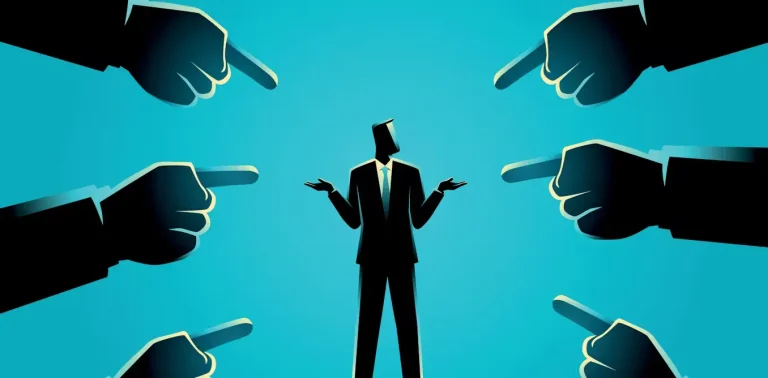
In the contemporary era, marked by accelerated digitalization and the omnipresence of social media, the so-called “cancel culture” (or funa, as it is known in Latin America) has emerged as a highly impactful social phenomenon, radically transforming the relationship between brands and their audiences. This phenomenon of cancellation is not merely another echo in the media noise; it represents a profound shift in the power dynamics between consumers and companies, where demands no longer focus solely on the quality or functionality of products and services but extend to the ethical, social, and cultural coherence of brands with the emerging collective values of modern societies.
At its core, cancel culture is a manifestation of collective power exercised by digital communities, users, and consumers who, when faced with perceived injustices, inconsistencies, or corporate irresponsibility, choose to withdraw their support, promote boycotts, or even demand public sanctions against brands or public figures. This cancellation landscape forces companies to rethink their communication and operational strategies, understanding that any error, lack of transparency, or poorly managed association can trigger a reputational crisis of significant—and sometimes irreversible—proportions.
This article from MoodWebs aims to explore in depth what cancel culture is, analyze landmark cases that have shaped public discourse, and examine the multifaceted impact this dynamic generates on brands. It will also present effective strategies for preventing and managing crises arising from cancellations, emphasizing the crucial importance of transparency, responsibility, and authenticity as fundamental pillars for building strong and lasting relationships with increasingly critical and demanding consumers.
What Is Cancel Culture?
Cancel culture—or funa—can be defined as a mechanism of popular, digitalized social justice through which individuals, institutions, or brands are publicly sanctioned for behaviors, statements, or associations perceived as offensive, discriminatory, or irresponsible. Through the speed and global reach offered by digital platforms, criticism and calls for boycotts can go viral within hours, generating overwhelming collective pressure that may result in severe and tangible consequences for the brands involved: loss of customers, deterioration of public image, rupture of business partnerships, and in extreme cases, market disappearance.
Although this phenomenon can be seen as a legitimate tool to demand accountability and promote positive social change, it has also been the subject of widespread criticism. Common concerns include the risk of premature or disproportionate judgments, the lack of fair evaluation processes, the absence of space for rectification or dialogue, and the danger of cancel culture becoming a form of social censorship or digital persecution. In short, cancel culture is not only a double-edged sword for brands but also raises a complex ethical and communicative debate in today’s society.

Relevant Cases of Brand Cancellations
Chiara Ferragni and the Panettone Scandal
One of the most iconic cases in the world of brands and influencers involved Italian fashion and lifestyle figure Chiara Ferragni, who has millions of followers. Ferragni participated in a charity campaign linked to a panettone (Italian sweet bread) brand intended to raise funds for a children’s hospital in Turin.
The initiative was initially well-received due to Ferragni’s positive reputation and the altruistic goal. However, a journalistic investigation revealed that the funds raised never reached the hospital, triggering a massive trust crisis and the cancellation of the influencer.
This incident led to a wave of criticism not only toward Ferragni but also toward the associated brands, including multinationals such as Coca-Cola, which had to publicly distance themselves to protect their own reputations. The case illustrates the critical importance of transparency and ethical management in all collaborations, especially when related to social causes, where any perceived lack of honesty can be devastating.
It also highlights how corporate responsibility and due diligence in supervising third parties must be a priority to avoid collateral damage. Cancellation can deeply impact personal brands and destroy a carefully built public image.
Bud Light and the Dylan Mulvaney Controversy
In 2023, Bud Light, one of the leading beer brands in the United States, launched an inclusive campaign in collaboration with Dylan Mulvaney, a transgender influencer. The goal was clear: to show support for diversity and inclusion. However, the decision sparked a strong backlash from certain conservative sectors of the public, who not only expressed their rejection on social media but actively promoted the cancellation of the brand.
The impact was immediate and significant, negatively affecting Bud Light’s sales and public perception. Despite the company’s CEO attempting to downplay the controversy, describing it with phrases like “one can, one influencer, one post,” the damage was tangible and long-lasting.
This episode underscores the risks involved in addressing sensitive social issues, where polarization can amplify negative reactions and highlights the need to anticipate scenarios and prepare strategic responses to protect the brand image from imminent cancellation.
Dolce & Gabbana and the China Controversy
In 2018, Italian fashion brand Dolce & Gabbana launched an advertising campaign intended to celebrate the cultural fusion between Italy and China. However, the images showed a Chinese model attempting to eat Italian food with chopsticks, which was interpreted by much of the Chinese audience as a culturally offensive and racist stereotype, leading to the brand’s cancellation.
The response was immediate and forceful, with massive denunciations on social media and intensified rejection from influencer accounts such as Diet Prada. As a result, the brand was forced to cancel a major promotional event in Shanghai and suffered considerable reputational damage in a highly strategic and commercially valuable market.
This case highlights the imperative importance of understanding and respecting the local cultural context when entering international markets, thus avoiding missteps that can lead to boycotts and cancellations.
H&M and the Insensitive Advertising Backlash
A notable case in the advertising world was H&M’s 2018 campaign, which featured a Black child wearing a hoodie with the phrase “coolest monkey in the jungle.” The ad was widely perceived as racist, resulting in massive cancellation efforts in key markets like China and the United States.
H&M responded immediately: the campaign was withdrawn, and the brand issued public apologies. However, the damage to consumer trust and brand perception was significant and long-lasting. This case shows how a communication error or lack of cultural sensitivity can trigger a cancellation crisis with repercussions beyond mere image issues—impacting customer loyalty and competitive positioning.

Impact of Cancellation on Brands
1. Reputation Damage
Reputation is undoubtedly one of the most valuable assets for any brand, and also one of the hardest to rebuild once affected. Cancel culture can lead to an immediate and profound loss of trust, impacting public perception for long periods. The constant viralization of criticism, memes, and cancellation campaigns creates a negative narrative that can embed itself in the collective memory of the consumer.
Moreover, the effect of cancellation does not limit itself to the end consumer but also impacts employees, investors, business partners, and other stakeholders, generating a domino effect with the potential to damage the very structure of the organization. This loss of reputation due to cancellation can result in corporate isolation, making growth and expansion opportunities more difficult.
2. Financial Consequences
The financial implications of cancellation are direct, quantifiable, and, in many cases, devastating. A decline in sales, withdrawal of sponsorship contracts, loss of strategic business alliances, and the costs associated with image repair campaigns represent a significant expense due to cancellation. In some cases, brands have had to face litigation, regulatory fines, or lawsuits, which further aggravate the economic situation.
For example, following the controversy with Dylan Mulvaney, Bud Light experienced a notable decrease in its market share, affecting profitability and brand value as a result of the cancellation. The loss of revenue can also limit the ability to invest in innovation and development, compromising the company’s future competitiveness due to the cancellation it faced.
3. Impact on Corporate Culture and Talent
Cancellation crises also deeply affect an organization’s internal culture. Employees may feel embarrassed, frustrated, or demotivated when observing their company being subjected to a severe public cancellation. This can result in decreased engagement, increased turnover, and loss of productivity.
Additionally, in an increasingly competitive and conscious labor market, these situations make it more difficult to attract and retain talent. Current professionals value companies with solid, consistent values and an inclusive culture, so both external and internal reputations are closely linked.
Strategies for Managing Cancel Culture
1. Transparency and Responsibility
For brands, building a solid reputation requires a genuine commitment to transparency and responsibility. This means clearly and truthfully communicating all actions, especially in social initiatives or collaborations with third parties. When problems or errors arise, it is crucial to openly admit them and provide concrete and verifiable correction plans.
The lack of transparency can be interpreted as concealment, deception, or unethical behavior, which fuels discontent and strengthens the dynamics of cancellation. Instead, taking responsibility builds long-term trust and credibility.
2. Rapid and Consistent Response
A timely and consistent response can make the difference between containing a crisis or exacerbating it. Responding with empathy, acknowledging the problem, and clearly explaining corrective actions demonstrates genuine commitment and respect toward consumers. Ignoring a crisis or adopting a defensive or denial stance only intensifies negative perceptions and prolongs the impact of the cancellation.
3. Thorough Risk Assessment in Partnerships
Before partnering with influencers, public figures, or launching campaigns on sensitive topics, it is essential to conduct a thorough reputational risk analysis regarding cancellation. This involves researching the background, values, public behaviors, and the perceptions that the target audience may have of the partners and collaborators. A strategic alignment between the brand and its partners prevents conflicts and strengthens communicative coherence, avoiding unpleasant surprises.
4. Promote an Internal Culture of Diversity and Inclusion
A genuine commitment to diversity and inclusion not only improves external perception but also strengthens the organization’s internal culture. A diverse and empathetic environment fosters greater resilience to criticism, encourages innovation, and allows for better understanding of current social demands. Diversity should be integrated as a cross-cutting value, present from hiring to the design of products and services.
5. Crisis Planning and Simulation
Having a strategic plan for crisis management is fundamental. This plan should consider possible cancellation scenarios and contain clear protocols, dedicated response teams, and regular drills to prepare the organization for potential contingencies. Anticipation enables coordinated, rapid, and effective responses, reducing the impact and facilitating recovery from cancellation.
Cancel Culture as an Opportunity for Growth
While cancel culture is often perceived as a threat, it can also represent an opportunity for brands to reinvent themselves and improve. Social pressure acts as a catalyst, prompting companies to adopt more ethical, transparent, and responsible practices, driving internal changes that strengthen their long-term market position.
Brands that manage to respond effectively to these cancellation dynamics can turn the crisis into a differentiating factor, gaining credibility, loyalty, and recognition in an increasingly conscious and demanding market. This approach transforms a threat into an opportunity to build a solid, authentic, and sustainable corporate identity.

Cancel culture or funa is a complex and multifaceted phenomenon that demands brands to commit deeply and consistently to ethics, transparency, and social responsibility. In a digital environment where the consumer’s voice is amplified with unprecedented speed and reach, companies must be proactive, adaptive, and authentic to protect their reputation and ensure their growth.
The strategic management of cancellation not only prevents reputational and financial damage but also strengthens the relationship with consumers, building a coherent and sustainable corporate identity over time. Brands that understand and embrace these challenges will be better prepared to navigate contemporary dynamics, transforming risks into opportunities and consolidating their leadership in an increasingly demanding and conscious global market.
If you would like to learn more about preventive strategies for cancellation or how to handle a recent cancellation of your brand, contact us at [email protected]. We have a team of experts in digital marketing, crisis management, and cancellation to help you navigate it in the best possible way.
 EN
 ES