
Digital transformation has permeated all aspects of business: operations, production, logistics, and customer service. In this context, marketing has evolved from mass campaigns to segmented and personalized strategies. However, personalization based solely on historical data has limitations: it predicts with delay, reacts too late, and fails to capture the real dynamics of each customer.
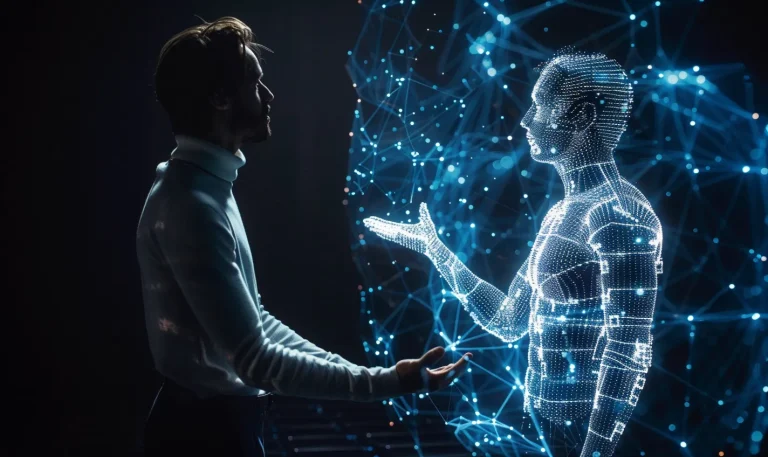
This is why a new frontier emerges: predictive marketing with digital twins — living, dynamic models of the customer, fed in real time, capable of simulating decisions, predicting behaviors, and optimizing interactions before they occur in the real world. A digital twin is a virtual replica of a physical object, system, or process that evolves alongside its real-world counterpart through the use of real data, sensors, historical records, and intelligent algorithms.
In industries like manufacturing and predictive maintenance, these digital twin models already allow for anticipating failures, reducing costs, and increasing operational availability. When applied to the customer, the digital twin not only represents their profile, but also their behavior, preferences, reactions to stimuli, and evolution over time. When digital twins are combined with predictive analytics, marketing techniques, and machine learning, an advanced capability is born — one that designs strategies not only in response to what customers have done, but in anticipation of what they will do.
This article by MoodWebs delves into how this convergence between digital twins and predictive marketing works, analyzes benefits, emerging use cases, technical and ethical challenges, steps for successful implementation, and future trends. The goal is to offer a clear guide for companies that want to take their marketing to a smarter, more strategic, and customer-centered level with the help of digital twins.

From Reactive Personalization to Informed Anticipation
For decades, marketing has tried to reach the right audience through segmentation: grouping by demographics, socioeconomic profile, or past habits. Then came digital personalization: emails with the customer’s name, recommendations based on browsing history, offers by favorite category. Still, these strategies remain essentially reactive: something happens first (a view, a purchase, an abandonment), and then action is taken.
Predictive marketing aims to anticipate what will happen before it does, using models based on historical and ongoing data. But these predictive models, if not fed with dynamic context and simulation power, have limits. This is where the customer’s digital twin comes in: a living model that constantly collects data — clicks, time on site, partial cart abandonment, social media interactions, feedback, in-app behavior, and even external signals like location or environmental context — and adapts instantly.
Thanks to this, the digital twin allows marketers to anticipate which offer will best capture the customer’s attention at this specific moment, which channel is most relevant, and what message is optimal to drive action. This leap from reactive personalization to informed anticipation turns marketing into a predictive art powered by digital twins. It’s not simply ‘sending more or better emails’, but designing actions based on customer simulations, aligned with their preferences and emotional state — before the customer even expresses it.
Simulation as an Advantage: Testing Before Launching
One of the great strengths of digital twins is the ability to simulate multiple scenarios before launching a real campaign or intervention. In traditional marketing, many decisions are tested in the field using A/B tests or pilot trials — but these approaches consume time, resources, and may cause friction with customers if they fail. With a digital twin, much of the experimentation can be done virtually.
For example, with digital twins, a campaign can be designed with three different message versions (emotional, rational, or direct discount), simulate the digital customer’s response to each based on their profile and recent behavior, estimate the expected conversion rate, and choose the optimal message. Even further, multiple variables can be combined: channel (email, SMS, push, social), time of day, customer segment, incentive level, etc.
This capability of digital twins reduces the risk of costly failures, shortens experimentation cycles, and enables decisions to be based on simulated evidence, not on gut feeling. Still, it's always advisable to validate the best digital twin scenarios with real-world testing, comparing expected vs. observed results, in order to adjust the twin models and improve their accuracy over time.
Modeling the Complete Customer Journey: Not Just Isolated Points
Another decisive advantage of combining digital twins with predictive marketing is the ability to model the complete customer journey: from discovery of the brand, to loyalty, abandonment, or future reactivation.
In the acquisition phase, digital twins can anticipate which messages, channels, or content may capture the attention of a particular prospect, based on early signals (searches, similar behavior from other customers with a similar profile). In the conversion phase, potential friction points can be detected in advance (like cart abandonment, slow page load, price doubts) and offer targeted incentives or supporting content before the customer leaves.
In the post-sale and loyalty stage, the digital twin can estimate when a customer is disengaging, when they're ready for a new offer, or when they need preventive re-engagement. By simulating these key moments with the help of digital twins, marketing strategies can intervene with timely real-world actions: reminders, personalized messages, retention offers, complementary product suggestions, loyalty packages, and more.
All of this increases the likelihood that the customer stays in the relationship with the brand, boosting their customer lifetime value (CLV) and reducing churn loss.
Omnichannel and Contextual Integration: Beyond the Digital Channel
For a digital twin to be truly robust, it must incorporate data from all interaction channels — physical store, website, app, social media, customer service — and interconnect them. The customer experience must be coherent: if the customer searched for a product in a physical store, the twin should “record” that intent and use it to personalize the digital experience afterward. If they’ve viewed a category several times in the app, the website can display those products on the homepage.
Beyond channels, the digital twin can incorporate contextual variables: geographic location, weather, local events, time of day, logistical availability, local market trends. For example, if a customer lives in a city experiencing a heatwave, the twin can anticipate that products like fans, lightweight clothing, or cooling items will be more relevant at that time. This combination of omnichannel and context brings an additional level of personalization with the help of digital twins — one that traditional strategies simply cannot reach.

Critical Challenges and Ethical Considerations
Implementing predictive marketing with digital twins involves overcoming technical, organizational, and ethical challenges. One of the most important is ensuring data quality. If the data feeding the digital twin is fragmented, inconsistent, or delayed, predictive models will fail. That’s why it’s essential to design a solid data infrastructure, with processes for cleaning, validation, normalization, and synchronization across sources.
Privacy and ethics represent another central challenge. Modeling customer behavior in high detail for digital twins can raise legitimate concerns about surveillance, manipulation, or misuse of personal information. Companies must ensure they have the customer’s explicit consent, that data is handled securely, anonymized whenever possible, and that local data protection laws are followed.
It is also crucial to incorporate bias audits into the models, to avoid unfairly favoring certain segments. Furthermore, there is the challenge of constant model maintenance. A digital twin is not a solution that is built once and left static; it must evolve as customer habits, market conditions, technological trends, and external events change. If not updated, the digital twin can become obsolete or even harmful.
From an organizational standpoint, many companies operate with marketing, IT, and data teams in silos. Integrating these groups, defining clear processes, and building a culture of experimentation is essential. There must also be trust in the results and explainability in the predictive models: marketing managers — who are not always machine learning experts — need to understand why the digital twin recommends certain actions.
Additionally, initial cost and technical complexity can be barriers for mid-sized companies. Not everyone has access to large-scale data infrastructure or data science talent. That’s why it’s wise to start with controlled pilots and scale up gradually.
Benefits That Transform Outcomes
When a company successfully implements predictive marketing with digital twins, the benefits can go beyond expectations. First, digital twins help improve conversion rates: by personalizing messages, offers, and experiences more precisely, the actions sent to the customer have a higher chance of success. It’s not about sending more — it’s about sending better.
Digital twins also help reduce cart or purchase abandonment: by anticipating the reasons why a customer is about to drop off (price, doubts, wait time, lack of information), companies can intervene with incentives, reminders, or personalized help before the customer leaves.
Customer Lifetime Value (CLV) increases. By identifying the right moments to offer new products, cross-sell, upsell, or preventive reactivations, the commercial relationship is extended. With a digital twin, it's possible to estimate more realistically how a customer’s spending will evolve and design offers to sustain it.
From a cost and efficiency perspective, marketing budget optimization is remarkable with the help of digital twins. By predicting which campaigns will deliver the best return, which channels work best depending on the customer or context, companies can avoid spending on low-impact actions. This reduces resource waste and improves Return on Investment (ROI).
Moreover, companies gain greater agility in launching products and campaigns thanks to digital twins. If you have product digital twins (3D models, descriptions, attributes) along with customer digital twins, you can design, simulate, and launch campaigns even before physical products are in inventory, generating anticipation, content, and early validation.
Finally, a strategic benefit: competitiveness. Many companies have yet to adopt digital twin strategies in marketing. Those who do so early can stand out through analytical capabilities, campaign accuracy, and superior customer experience.
Considerations in Emerging Markets and Latin America
While many of the most advanced applications come from global companies in countries with mature technological infrastructure, emerging markets, such as those in Latin America, have characteristics that present both challenges and opportunities for adopting predictive marketing with digital twins.
As an opportunity, many companies have not yet embraced digital twin technology, so early adopters stand out as pioneers. In markets with relatively lower competition in digital marketing sophistication, such an advanced approach can translate into a significant competitive advantage.
However, there are challenges unique to the environment. Data infrastructure may be less robust: unstable connections, uneven levels of digital adoption, customers using multiple devices or switching frequently. There’s also wide diversity in purchasing power, trust in e-commerce, and digital culture. Digital twins must capture this heterogeneity to avoid generating inaccurate predictions.
Data regulation also varies across Latin American countries. Some nations have strict data protection laws, others are still developing regulatory frameworks. Companies must understand local regulations, obtain clear consent, ensure anonymity when necessary, and incorporate good data governance practices.
Available resources may also be limited: tighter budgets, lower availability of data science talent, less access to advanced cloud infrastructure. That’s why it’s recommended to start with small digital twin pilots, leverage hybrid platforms (cloud + local), partner with external providers, and gradually train internal teams.
A smart strategy in these markets is to focus on high-impact, high-ROI use cases, such as reducing cart abandonment, reactivating inactive customers, personalized e-commerce recommendations, or optimizing digital marketing campaigns — areas where a digital twin can demonstrate clear value quickly.

Predictive marketing with digital twins represents a paradigm shift in how companies align their marketing processes with the customer experience. It’s not just about optimizing emails or improving segmentation, but about building an intelligent ecosystem where decisions are based on living simulations and models that anticipate individual reactions before they actually happen.
As we've seen, this combination of predictive marketing and digital twins enables real-time personalization, campaign simulation before launch, anticipation of abandonment or engagement opportunities, budget optimization, and greater marketing efficiency. But it also brings challenges: technical requirements, data quality, ongoing maintenance, ethical concerns, and the need for a data- and experimentation-driven organization.
Digital twins are not a trend, but an advanced manifestation of marketing’s evolution toward a more intimate, predictive, and contextual relationship with the customer. Those who can anticipate behavior, simulate options, and activate precise actions will be one step ahead in the competitive digital landscape of the future. If you’d like to know how to start working effectively with digital twins, write to us at [email protected]. We have a team of digital marketing experts ready to support your next campaigns.
 EN
 ES