

Headless web development has become one of the most important digital architectures for companies seeking to build more flexible, faster, and more adaptable online experiences aligned with new forms of digital consumption. For years, traditional websites operated through systems where content, visual design, and technological structure were integrated within the same platform. However, the evolution of the digital ecosystem has generated new needs for brands, which must now communicate with their audiences through multiple devices, platforms, and interaction channels.
In this new scenario, digital branding is no longer exclusively dependent on visual elements such as a company’s logo, corporate colors, or graphic identity. Currently, a brand is built through every experience it provides to users, including website navigation, the speed of its digital platforms, the personalization of its messages, and the consistency of its communication across different media. For this reason, the technology used to develop a digital experience has a direct influence on the perception, trust, and recognition that a brand generates.
The Headless architecture responds to these new demands through a strategic separation between content management and the visual presentation of information. This model allows the content created by a company to be distributed across different platforms without depending on a single interface. As a result, organizations can develop more innovative digital experiences and maintain a consistent brand identity across all touchpoints with their consumers.
Understanding the relationship between headless web development and branding is essential to understanding how modern companies are building their digital presence. Beyond being a technical solution for programmers and development teams, this architecture represents an opportunity for brands to have greater creative freedom, better adaptability, and a deeper connection with their audiences.
What is Headless web development and why is it changing the creation of websites?
Headless web development is a modern technological architecture that allows the system responsible for managing content to be separated from the visual layer with which users interact. Unlike traditional web development models, where content and presentation are usually integrated within the same platform, headless web development establishes a clear division between the backend and the frontend. In a conventional model, a CMS or content management system controls both the stored information and the way it appears published on a website, while an architecture based on headless web development allows each element to evolve independently according to the needs of the digital project.
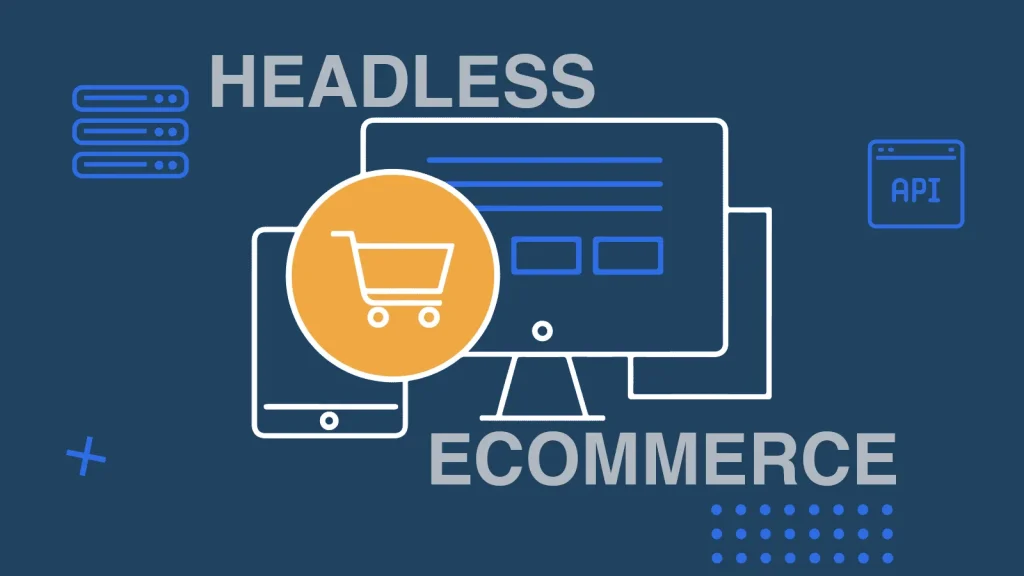
The functioning of headless web development is normally based on a headless CMS that acts as a centralized repository of information and digital content. Within this system, texts, images, videos, products, documents, and different resources are stored, which can later be distributed through APIs to multiple applications, platforms, or interfaces. Thanks to this feature, headless web development allows content to no longer be limited exclusively to a traditional website and enables it to become part of different connected digital experiences. This capability makes headless web development an especially useful solution for companies seeking to create more flexible digital ecosystems prepared for new communication channels.
One of the most important characteristics of headless web development is the complete separation between the frontend and the backend. While the backend is responsible for managing information and keeping content organized, the frontend can be developed using modern technologies capable of creating fast, dynamic, and personalized interfaces. This independence allows development teams to take advantage of different technological tools without being limited by the visual structure of the content system. In this way, headless web development provides greater freedom to design digital experiences adapted to the specific objectives of each brand and facilitates the creation of more innovative platforms.
The separation between the different layers proposed by headless web development also improves companies’ ability to adapt to changes in the digital environment. An organization can completely modify the appearance of a platform, update the user experience, or incorporate new functionalities without needing to rebuild the entire internal system. This flexibility makes headless web development a strategic alternative for brands that need to constantly evolve and maintain a competitive digital presence.
This architecture is especially relevant in a context where companies need to be present across multiple digital channels. Through headless web development, a brand can use the same content to power a corporate website, a mobile application, an online store, a customer service platform, smart devices, or new digital experiences that may emerge in the future. Headless web development allows information to be managed centrally while creating different experiences adapted to each audience, device, and consumer touchpoint.
For this reason, headless web development has become an increasingly used architecture among organizations seeking to improve their digital innovation capabilities. By offering a more flexible, scalable structure prepared for multiple platforms, headless web development helps companies build consistent, personalized digital experiences aligned with current user needs.
How does headless web development improve a brand’s digital experience?
User experience has become one of the most important factors within modern digital branding strategies. People no longer evaluate only the products or services offered by a company, but also the ease, speed, and satisfaction they receive during each interaction with a digital platform. In this context, headless web development emerges as a technological solution that enables the creation of more efficient, personalized experiences adapted to current consumer expectations.
Headless web development facilitates the creation of advanced digital experiences because it allows the use of specialized frontend technologies for each project. Development teams can create faster, more adaptable, and visually attractive interfaces without depending on predefined structures or the limitations of traditional systems. This technological freedom allows brands to design digital experiences that more accurately reflect their identity and generate a stronger connection with their audiences.
One of the major advantages of headless web development is the ability to experiment with new digital communication formats without compromising the main content structure. A company can develop interactive experiences, personalized content, innovative designs, or new navigation methods while keeping its internal management system stable. This ability for continuous evolution is especially important in markets where digital trends change rapidly and brands need to adapt in order to remain relevant.
From the perspective of digital branding, improving user experience means strengthening the emotional relationship between a brand and its consumers. When a platform functions correctly, communicates the right values, and provides a satisfying interaction, technology becomes an element that reinforces corporate identity. Headless web development allows digital infrastructure to stop being merely technical support and transform into a strategic ally for building memorable brand experiences.
The implementation of headless web development within a digital experience strategy also improves companies’ ability to adapt. Brands can update designs, incorporate new functionalities, and create different experiences according to user needs without relying on overly complex processes. This flexibility makes headless web development a fundamental tool for organizations seeking to maintain a modern and competitive digital presence.
Headless Web Development and omnichannel experiences: Creating consistent brand experiences across all digital channels
The expansion of digital channels has profoundly changed the way consumers interact with brands. Today, a person can discover a company through a social network, visit its website from a mobile phone, consult information through an application, and complete a purchase through a different platform. Although each channel may use different technologies, users expect to receive an integrated experience that maintains the same identity, values, and communication quality.
Headless web development makes it possible to address this need through an architecture designed to distribute content across different digital environments. By separating information from the visual interface, a company can manage its content from a single system and later use it across multiple platforms. This feature makes headless web development an especially suitable solution for creating omnichannel experiences where each touchpoint maintains communication aligned with the brand’s overall strategy.
Omnichannel experiences have a direct impact on branding because a strong brand needs to be recognizable regardless of the channel where it appears. When a user finds similar messages, consistent visual styles, and related navigation experiences across different platforms, trust in the company increases. Headless web development helps maintain this continuity because it allows content to be managed centrally while adapting the presentation according to the specific characteristics of each digital channel.
In addition, a headless web development architecture makes it easier for companies to adapt their experiences according to the needs of each platform. A mobile application may require a different interface from a corporate website, while an online store may need specific elements to facilitate a purchase or improve user interaction. Headless web development allows these adaptations to be made without losing the essence of the brand, achieving a balance between personalization, visual consistency, and technological efficiency.
In a digital environment where consumers expect connected experiences, headless web development offers brands the possibility of building digital ecosystems that are better prepared for the future. The ability to manage content from a single source and distribute it across different channels allows companies to maintain a consistent identity while responding to new forms of digital interaction. For this reason, headless web development has become a key architecture for brands seeking to strengthen their digital presence and improve their relationship with consumers.
Headless Web Development Applied to E-commerce and Digital Brand Building
E-commerce is one of the sectors where headless web development and headless architecture have generated the greatest interest due to the need to create faster, more attractive, personalized, and differentiated shopping experiences. Current online stores should no longer function only as transactional platforms designed to complete sales, but also as digital spaces capable of transmitting emotions, reinforcing corporate values, and building lasting relationships with consumers. In industries such as fashion, technology, food, beauty, or premium products, the digital experience is part of the value received by the user and has a direct influence on brand perception.
Headless web development applied to e-commerce allows brands to have greater freedom to design shopping experiences adapted to their strategic objectives. While traditional e-commerce platforms usually integrate elements such as product catalogs, visual design, commercial management, and purchasing processes within the same system, an architecture based on headless web development separates information management from the experience received by the user. This separation creates a more flexible structure that facilitates personalization, innovation, and the constant evolution of a digital store.
Traditional platforms may be sufficient for small businesses with basic needs, but brands seeking to differentiate themselves in competitive markets need solutions capable of offering more advanced experiences. Headless web development allows a company to fully control the appearance, functionality, and experience of its e-commerce platform without depending on closed templates or predefined technical limitations. Thanks to this architecture, creative teams can develop online stores that are more aligned with the brand’s visual identity, values, and strategic positioning.
This separation between content, commercial management, and visual presentation allows brands to develop completely personalized shopping experiences. A company can create a sophisticated interface to convey exclusivity, a simple experience to communicate closeness, or an interactive platform to highlight technological innovation. Headless web development transforms technology into a creative resource that allows the expression of a brand’s personality and turns a traditional online store into a differentiating digital experience.
Additionally, headless web development for e-commerce facilitates integration with new sales channels and digital interaction models. A company can connect its product catalog with mobile applications, external platforms, digitized physical experiences, intelligent systems, or new consumer touchpoints without having to completely rebuild its infrastructure. This ability to adapt allows brands to evolve more quickly and respond more effectively to changes in consumption habits.
Advantages of Headless Web Development for a Brand’s Digital Strategy
One of the main advantages of headless web development within a brand’s digital strategy is the possibility of creating more scalable technological ecosystems prepared for growth. Companies using this architecture can incorporate new channels, functionalities, and digital experiences without depending on a rigid structure that limits their evolution. This characteristic is especially important for brands seeking to expand, increase their digital presence, or constantly adapt to new consumer behaviors.
The scalability of headless web development allows an organization to evolve its online presence without having to make complete changes throughout its entire digital system. A company can begin with a corporate website, later incorporate an online store, develop a mobile application, or create new interactive experiences using the same content foundation. This ability for progressive growth makes headless web development a strategic solution for brands with long-term digital objectives.
The speed of innovation also represents one of the most important benefits of headless web development. In traditional models, making significant changes to a digital platform may require complex modifications that affect different areas of the system. With a decoupled architecture, teams can develop new interfaces, improve visual experiences, or implement new functionalities without altering internal content management.
This ability for constant innovation has a direct impact on brand building because it allows companies to respond quickly to new communication opportunities. A company can launch digital campaigns, create temporary experiences, modify designs for specific events, or adapt its online presence according to new market trends. Headless web development helps brands maintain an updated and competitive image within a digital environment where changes occur constantly.
Another important aspect of headless web development is the improvement of collaboration between different teams within an organization. Marketing specialists can manage content, campaigns, and communication strategies without completely depending on the technical team for every modification. At the same time, developers can use modern tools and create more advanced solutions to improve the digital experience.
This collaboration between technology, design, and brand strategy makes it possible to build more complete digital experiences. Headless web development works as a connection point between business needs and technological possibilities, allowing each area to contribute its knowledge to strengthen the company’s digital presence. As a result, the brand can offer more coherent, innovative experiences aligned with current consumer expectations.
Headless web development represents an important transformation in the way companies build, manage, and communicate their brands within the digital environment. Its value is not limited only to improving the technical aspects of a website, but also to enabling the creation of more flexible, scalable digital ecosystems prepared for new consumer expectations. In a market where user experience directly influences brand perception, having an adaptable architecture becomes a fundamental competitive advantage.
The separation between content and presentation offered by headless web development allows organizations to create digital experiences that are more aligned with their corporate identity. This architecture makes it easier to maintain consistent communication across different platforms while taking advantage of the specific characteristics of each channel. Thanks to this combination of consistency and adaptation, brands can strengthen recognition, improve relationships with their audiences, and build more memorable digital experiences.
In addition, headless web development allows companies to evolve more quickly in response to technological and cultural changes. New devices, digital trends, and different forms of user interaction require solutions capable of adapting without relying on rigid structures. A flexible architecture makes it easier for brands to innovate, improve their platforms, and respond more efficiently to consumer needs.
Implementing a strategy based on headless web development requires planning, technical knowledge, and a clear vision of business objectives. It is not simply about incorporating a new technology, but about integrating it within a complete strategy for communication, user experience, and brand building. When technology, design, and strategy work together, this architecture can become a differentiating element for companies seeking to stand out in an increasingly competitive digital environment.
If your company is looking to develop a more advanced, flexible, and future-ready digital presence, at MoodWebs we offer headless web development solutions, digital experience design, and technological strategies focused on strengthening brands in digital environments. To learn how we can help you transform your project, you can contact us at [email protected].
 EN
EN  ES
ES