
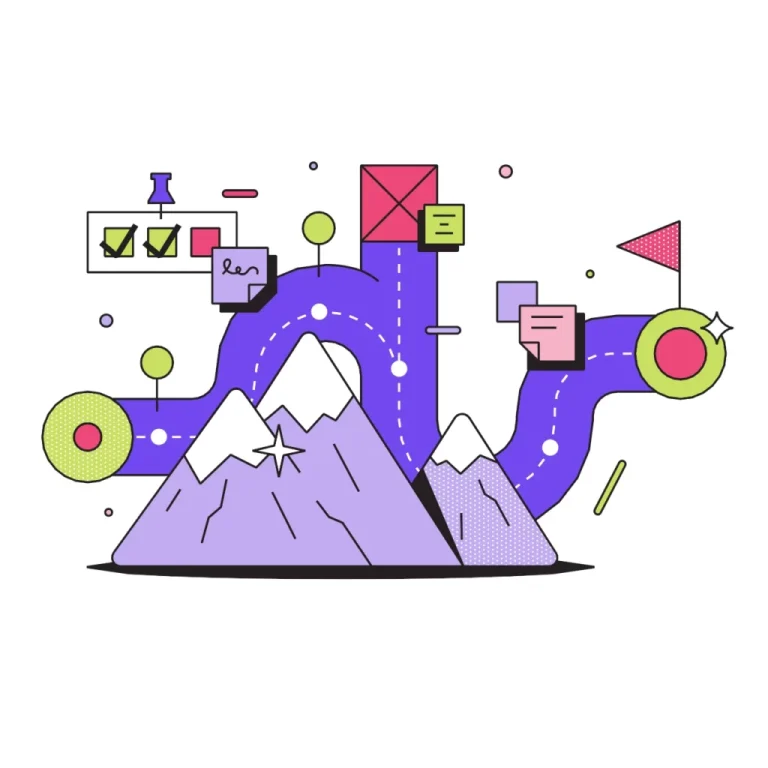
In the highly competitive environment of modern digital marketing, companies can no longer settle for publishing content indiscriminately. Today, consumers demand relevant, personalized information that aligns with their research process. That is why understanding the buyer’s journey has become a strategic pillar for any brand seeking to attract, educate, and convert potential customers sustainably. Mastering the buyer’s journey allows brands to anticipate needs, adjust messages, and provide far more effective experiences.
The buyer’s journey—also known as the buyer’s path—accurately describes the stages a person goes through from the moment they detect a need or problem until they choose a solution. This buyer’s journey is usually divided into three fundamental phases: awareness, consideration, and decision.
Each phase within the buyer’s journey requires a specific type of content, a particular approach, and messages refined according to the concerns the customer experiences at that point in the path. When content is properly aligned with the buyer’s journey, the user experience improves dramatically, their trust in the brand increases, and the likelihood of conversion grows significantly.
This MoodWebs article examines how to create personalized content for each stage of the buyer’s journey, why this approach is indispensable, and how to implement it using real examples, recommended methodologies, and optimization techniques that transform a content strategy into a truly effective system. Understanding the buyer’s journey and producing content designed for each level of the buyer’s journey is one of the strongest ways to guide a user from the first doubt to the final decision.

Understanding the buyer’s journey: The foundation of an effective strategy
In the highly competitive environment of modern digital marketing, companies can no longer settle for publishing content indiscriminately. Today, consumers demand relevant, personalized information aligned with their research process.
For this reason, understanding the buyer’s journey has become a strategic pillar for any brand that seeks to attract, educate, and convert potential customers sustainably. Mastering the buyer’s journey not only allows companies to anticipate needs but also to adjust messages and offer far more effective experiences. When a company understands the buyer’s journey in depth, it can design content that responds to each user concern at the exact moment it appears.
The buyer’s journey—also known as the buyer’s path—accurately describes the stages a person goes through from the moment they detect a need or problem until they choose a definitive solution. This buyer’s journey is usually divided into three fundamental phases: awareness, consideration, and decision. Each phase within the buyer’s journey requires a particular type of content, a specific approach, and a set of messages refined according to the concerns that the customer experiences at that point in the path.
When content is correctly aligned with the buyer’s journey, the user experience improves dramatically, their trust in the brand increases, and the probabilities of conversion grow considerably. Consequently, companies that optimize their communication based on the buyer’s journey achieve stronger and longer-lasting relationships with their audiences.
This article examines how to create personalized content for each phase of the buyer’s journey, why this approach is indispensable, and how to implement it through real examples, recommended methodologies, and optimization techniques that can turn a content strategy into a truly effective system.
Understanding the buyer’s journey in depth and producing content specifically designed for each stage of the buyer’s journey is one of the strongest and safest ways to guide a user from the first doubt to the final decision. Ultimately, understanding the buyer’s journey and respecting the natural logic of the buyer’s journey is what differentiates brands that simply produce content from those that truly accompany the customer throughout their evolution.
Awareness stage: Educate, inspire, and spark interest
The first stage of the buyer’s journey is critical because it sets the tone for the relationship between the user and the brand. In this initial phase of the buyer’s journey, the buyer is only beginning to understand their problem and starting to recognize that something requires attention. At this point in the buyer’s journey, the last thing they need is a sales pitch; what they truly seek is context, clarity, and recognition of their situation.
Therefore, the content created for this part of the buyer’s journey must focus on explaining common causes, frequent mistakes, factors that trigger the problem, or warning signs that help the user understand their reality.
The most effective formats in this stage of the buyer’s journey are educational and easy to consume. Blog articles play a fundamental role within the buyer’s journey, as they allow you to explore a topic more deeply, explain essential concepts, and offer preliminary recommendations.
In addition, these texts must be optimized for SEO, because one of the keys of the buyer’s journey is that users can discover relevant information on their own through organic searches. The language used during this phase of the buyer’s journey must be clear, accessible, and free of unnecessary technicalities, since the goal is for the user to understand the root of the problem without feeling intimidated or overwhelmed.
Social media also plays an essential role within the buyer’s journey, especially in this early stage where the user needs brief, visual, and easy-to-consume stimuli. Posts that include statistics, reflective questions, micro-tips, or short stories can quickly capture attention and generate interest. This type of content works as a first touchpoint within the buyer’s journey, as it can spark curiosity and encourage the user to continue exploring more extensive and detailed materials.

Social media also plays an essential role within the buyer’s journey, especially in this early stage where the user needs brief, visual, and easy-to-consume stimuli. Posts that include statistics, reflective questions, micro-tips, or short stories can quickly capture attention and generate interest. This type of content works as a first touchpoint within the buyer’s journey, as it can spark curiosity and encourage the user to continue exploring more extensive and detailed materials.
A truly effective strategy at this stage of the buyer’s journey must avoid the temptation to talk directly about the product. Instead, it should focus on building trust, showing that the brand understands the user’s problems, and demonstrating that it can guide them with valuable educational information.
The goal is for the user to feel that it is worthwhile to continue consuming content and that advancing in the buyer’s journey is a clear and useful experience. Therefore, calls to action should be gentle, aimed at encouraging continued learning, and designed to move the user to the next level of the buyer’s journey without commercial pressure. This can include invitations to read another article, download an introductory guide, or subscribe to a newsletter, always maintaining an informative and non-promotional tone.
Consideration stage: Demonstrating authority and helping compare solutions
When the buyer enters the consideration phase within the buyer’s journey, their level of awareness is higher. At this point in the buyer’s journey, they no longer need to discover what problem they have, but rather understand how to solve it. This shift is crucial because it completely changes the type of content a user seeks at this stage of the buyer’s journey. Now they want analysis, comparisons, methodologies, clear explanations, pros and cons of each alternative, as well as reliable data to help make an informed decision. In other words, the natural progression of the buyer’s journey leads them to demand depth, precision, and strategic clarity.
The ideal content at this stage of the buyer’s journey is deeper and more specialized. Detailed guides and white papers become highly strategic resources within the buyer’s journey, as they offer an exhaustive exploration of a specific topic and position the brand as an authority in its sector. These documents are particularly valuable in the buyer’s journey of B2B markets, where decisions tend to be more complex and require solid evidence. Guides and white papers can include comparative analyses, statistics, real scenarios, and cost-benefit evaluations, elements that accompany the user in the buyer’s journey toward a more mature understanding of their options.
Case studies also become essential pieces at this stage of the buyer’s journey. Showing how other clients—preferably similar to the buyer persona—faced the same problem and achieved positive results allows the user to visualize concrete benefits within their own buyer’s journey. Quantitative data, such as improvement percentages, cost savings, or productivity increases, add credibility and reinforce the perception that advancing in the buyer’s journey toward a specific solution is a well-founded and safe choice.
Interactive tools such as quizzes, assessments, or diagnostic tests provide a personalized experience that integrates perfectly into this part of the buyer’s journey. These resources help the user identify which type of solution best suits their particular situation, which drives their progress in the buyer’s journey toward more advanced stages. Additionally, this type of content significantly increases engagement because it encourages the user to interact actively. At the same time, these interactions allow the collection of valuable data that further personalizes subsequent communication within the buyer’s journey.
Blog articles at this stage of the buyer’s journey should be clearly differentiated from those in the awareness phase. Now more technical topics can be addressed, methodological approaches discussed, risks analyzed, and alternatives explored in much greater depth. A useful method to structure content at this stage of the buyer’s journey is to organize it according to four elements: benefits, alternatives, risks, and best practices. With this approach, the user receives a balanced view that helps them evaluate the available options with discernment, without feeling pressured, and allows them to advance more confidently within the buyer’s journey.
Content in the consideration phase of the buyer’s journey must convey absolute transparency. Buyers value when a brand acknowledges both the advantages and limitations of a solution, as this honesty increases trust and positions the brand as a reliable advisor within the buyer’s journey, rather than a pushy seller.
Therefore, calls to action at this stage of the buyer’s journey should invite the user to take a deeper step, such as downloading an extensive document, participating in a webinar, or performing a personalized assessment. These steps represent natural transitions within the buyer’s journey, guiding the user toward an increasingly well-informed decision.
Decision stage: Convincing with proof, results, and real experiences
When the buyer reaches the decision stage within the buyer’s journey, they are very close to choosing a provider. At this final point of the buyer’s journey, what they seek is concrete evidence that the solution they are considering is the right one. They no longer need general explanations or broad comparisons; this part of the buyer’s journey demands absolute clarity about why they should choose a specific option over others. Everything the user consumes at this stage must help them close the buyer’s journey with confidence and assurance.
Consequently, content at this stage of the buyer’s journey must be direct, detailed, and clearly aimed at demonstrating that the brand is the best choice. Datasheets, product documents, and direct comparisons become essential within the buyer’s journey, as buyers want to see specifications, compatibilities, functionalities, and competitive advantages they would not get from any other provider. Each piece of information must provide solid arguments that facilitate progress toward the conclusion of the buyer’s journey.
In-depth case studies become even more relevant at this level of the buyer’s journey, as they not only explain the solution but show measurable results. If the case contains clear metrics, authentic testimonials, and a detailed before-and-after description, its impact can be decisive in completing the buyer’s journey. At this stage of the buyer’s journey, buyers want to minimize risk, so solid evidence from other clients becomes one of the most persuasive elements.
Live demonstrations and free trials also become powerful resources within the buyer’s journey. They allow the buyer to experience the benefits of the product or service firsthand, which significantly accelerates this stage of the buyer’s journey. In software or technology markets, a free trial accompanied by support—not just access—can make a big difference. In physical products, samples or trial periods serve the same function within the buyer’s journey: reducing uncertainty and reinforcing trust.
Decision-oriented webinars represent another key type of content for this phase of the buyer’s journey. They provide a space where users can ask specific questions, resolve objections in real-time, and see the platform or product in action. This format helps consolidate the final stage of the buyer’s journey, as it adds closeness, humanizes the experience, and reinforces the brand’s credibility.
At this stage of the buyer’s journey, it is essential to highlight the differentiating proposition: what sets the brand apart from any competitor. This could be exclusive features, superior customer service, a faster implementation system, a more flexible pricing model, or another distinctive element. The content must make it completely clear why this difference brings real value to the buyer within the buyer’s journey and why selecting that solution is the most logical choice.
Calls to action at this point in the buyer’s journey should be more direct and aimed at closing: scheduling a consultation, requesting a quote, starting a free trial, or contacting an advisor. As this stage is closest to conversion, the process must be simple, accessible, and quick, avoiding any friction that could hinder the closing of the buyer’s journey.

Developing personalized content for each stage of the buyer’s journey is one of the most effective strategies to attract high-quality clients, naturally guide them toward conversion, and build long-lasting relationships based on trust. When a brand understands its buyer persona, maps the buyer’s journey, and creates content aligned with each stage of the buyer’s journey, the user experience becomes coherent, valuable, and highly influential. A company that truly masters the buyer’s journey can provide information that precisely meets the user’s needs at the right moment, strengthening the entire process.
Awareness content within the buyer’s journey educates and sparks interest. Consideration content in the buyer’s journey goes deeper, compares options, and positions solutions. Decision content, in the final stage of the buyer’s journey, convinces, demonstrates, and reduces risk. Together, these three levels of the buyer’s journey form an integrated strategy that guides the buyer from the first doubt to the final decision, leading them step by step through a clear, logical, and emotionally secure process.
If you want to implement a solid strategy based on the buyer’s journey, MoodWebs can help you plan, develop, and optimize it with a professional, results-oriented approach. For more information or to start your own project, you can write to [email protected] and receive personalized advice.
 EN
EN  ES
ES