
Today, an online presence has become the central pillar of every business strategy. Companies can no longer rely solely on a physical store, an office, or traditional marketing. Their website is often the first point of contact with potential clients, partners, and employees. However, keeping a site updated, secure, attractive, and fast is not always simple.
In fact, several user experience studies reveal a striking figure: 88% of visitors leave a website after two bad experiences. This shows that performance errors, broken links, or outdated content can seriously affect a brand’s reputation and conversion rate.
In response to these challenges, a model has emerged that is transforming the way businesses handle their websites: the WaaS (Website as a Service) model. This WaaS trend, which combines the agility of cloud software with professional web design, offers a modern, predictable, and scalable alternative for maintaining a digital presence without dealing with the complex technical aspects that traditionally come with website management.

What is the WaaS Model?
The concept of “Web as a Service” or WaaS is based on a simple yet powerful premise: instead of creating, owning, and maintaining a website from scratch, companies “rent” or subscribe to a comprehensive web service that includes design, hosting, security, updates, and technical support—all managed by a specialized provider.
In this WaaS model, the company pays a monthly or annual fee that covers all costs related to site management. The provider takes care of continuous maintenance, implements technological improvements, keeps systems updated, and resolves any issues.
Practically speaking, WaaS functions much like other digital subscription models such as cloud-based software (SaaS). Just as a company uses management, accounting, or communication tools without installing them locally, with WaaS it can have a high-performance website without taking on the technical responsibility of maintaining it.
The client retains the ability to modify their content—images, texts, products, news—through intuitive interfaces, but does not need to handle the underlying infrastructure. This allows the business to focus on growth rather than the technical operation of its website.
How Does a WaaS Service Work?
The WaaS (Web as a Service) model operates as a continuous and structured process that ensures personalization, performance, and security for each website. It begins with the discovery and planning phase, where the WaaS provider analyzes the client’s communication needs, target audience, desired visual style, and required features—whether a blog, an online store, or a booking system.
This initial stage is key because it defines the entire digital strategy and ensures that the WaaS delivers a site aligned with the brand’s identity and goals. From there, the WaaS moves to the design and user experience phase, where UI/UX experts create mockups and prototypes that capture the brand’s essence and optimize visitor interaction. Thanks to this approach, the WaaS becomes a strategic tool that goes beyond a traditional website, offering an adaptable, results-driven solution.
Next, WaaS advances to the technical development and full configuration stage. Developers implement the design using modern platforms, cloud hosting, and efficient content management systems. During this phase, the WaaS provider integrates key elements such as SSL certificates, automatic backups, and advanced security measures to protect both business and user data.
This level of precision sets WaaS apart from conventional web development, as the entire technical environment remains under professional supervision. Once the site is ready, the WaaS provider offers personalized training sessions so the client can easily make content changes using drag-and-drop visual editors, eliminating the need for coding. In this way, WaaS democratizes website management, allowing businesses to focus on growth without relying constantly on technical staff.
Finally, WaaS proves its full value in the maintenance and continuous improvement phase. Unlike traditional web projects that are delivered once and then abandoned, WaaS ensures constant monitoring. Providers apply automatic updates, fix vulnerabilities, optimize loading speed, and adjust design according to market trends.
Some WaaS services even include periodic redesigns to keep the website modern and competitive. In this sense, WaaS is not a static product but a living system that evolves alongside the business. This dynamic nature makes WaaS an essential solution for companies seeking stability, flexibility, and sustained digital growth, ensuring that their online presence remains modern, functional, and aligned with long-term strategic goals.
Main Features of the WaaS Model
WaaS (Web as a Service) platforms stand out for offering a set of features that clearly differentiate them from traditional web development. One of the main advantages of WaaS is its professional design with customizable templates, allowing businesses to easily adapt the look and feel of their sites to match their brand identity—with the option of fully tailor-made designs.
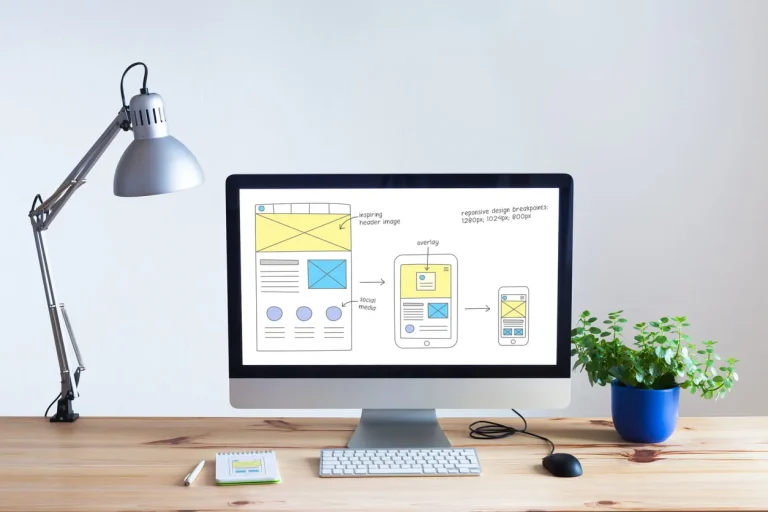
In addition, WaaS guarantees optimization across all devices, incorporating responsive design to ensure flawless performance on desktops, tablets, and smartphones. This model also includes cloud hosting managed by the provider, along with automatic backups and disaster recovery systems, giving WaaS superior technical stability.
Likewise, automatic updates keep both the core software and plugins up to date, preventing vulnerabilities and compatibility issues, while integrated security—with constant monitoring, SSL certificates, and advanced protection protocols—reinforces overall site safety.
Another strength of WaaS lies in its ability to simplify content management and digital growth. Thanks to its visual editor, users can modify text, images, or sections without depending on programmers, making WaaS an accessible solution for all types of businesses.
Its scalability allows new pages, online stores, or CRM integrations to be added without rebuilding the site, showing the inherent flexibility of the WaaS model. Moreover, 24/7 technical support ensures that any issue is promptly addressed by professionals via chat, email, or phone, keeping the website fully operational.
Finally, WaaS is characterized by predictable and transparent pricing, with a fixed monthly fee that covers design, maintenance, security, and support—simplifying financial planning and avoiding unexpected expenses. Altogether, these features make WaaS an efficient and modern alternative, ideal for small businesses seeking technological independence as well as large corporations looking to streamline their digital infrastructure with minimal complexity.

Strategic Advantages of the WaaS Model
Adopting the WaaS (Web as a Service) model represents much more than a technical decision: it is a smart business strategy focused on sustainability and growth. One of the main advantages of WaaS is total cost control. While traditional web development requires large initial investments and additional expenses for maintenance or redesign, WaaS spreads costs over time through a fixed monthly fee.
This predictable payment system allows companies to plan their budget accurately and avoid financial surprises. Additionally, WaaS provides greater security and reliability, as automatic updates, backup systems, and constant monitoring keep the site protected from cyberattacks and technical failures, minimizing the risk of downtime or data loss.
Another pillar of WaaS is the operational freedom it offers clients. Instead of worrying about the technical aspects of the site, business owners and marketing teams can focus on what truly matters: growing their business, creating content, and providing better service.
WaaS handles maintenance, optimization, and implementation of best web practices, ensuring everything runs perfectly. This model is also scalable and flexible, meaning the site can evolve alongside the business. Adding new pages, integrating an online store, or including additional modules is possible without disrupting operations, demonstrating WaaS’s ability to adapt to each organization’s pace.
Finally, WaaS excels in user experience and technological permanence. By providing continuous maintenance, it ensures a fast, up-to-date, and attractive website, improving visitor satisfaction and conversion rates. WaaS providers also offer specialized technical support, continuously available to resolve issues without requiring external services.
This translates to peace of mind and efficiency for the client. Furthermore, WaaS reduces the risk of obsolescence by keeping the site current with the latest design trends and digital market demands. Together, these advantages make WaaS a comprehensive solution that optimizes resources, strengthens online presence, and ensures companies maintain a competitive edge in today’s digital environment.
WaaS vs. Traditional Web Development
For decades, creating a website followed a linear process: design, programming, publishing, and maintenance. While effective at the time, this method has proven limited in today’s fast-paced digital environment. Traditional web development requires significant upfront investment and leaves companies dependent on external developers for any change or improvement. In contrast, WaaS completely redefines this dynamic by transforming the website into a continuous, adaptable, and optimized service. With WaaS, the process stops being an isolated project and becomes an active, ongoing relationship that evolves with the business.
WaaS eliminates high initial costs and financial uncertainties inherent in the traditional model. Instead of paying for each redesign or correction, the client pays a fixed monthly fee that includes design, hosting, security, updates, and support. This ensures technical stability, economic predictability, and continuous expert attention. Additionally, WaaS accelerates development times, reduces the risk of errors, and maintains web infrastructure in continuous operation. Each update, improvement, or redesign is carried out smoothly within the same service, avoiding interruptions and unexpected costs.
In essence, WaaS breaks the traditional “finished project” model and replaces it with the concept of a “website as an evolving service”. With WaaS, the website is not a static product but a living platform that grows, updates, and constantly adapts to the client’s and market’s needs. This continuous vision makes WaaS a strategic tool for digital growth, ensuring the site is always current, secure, and aligned with business objectives. In short, WaaS doesn’t just create a website; it keeps it active, modern, and profitable day after day.
The Future of the WaaS Model
The WaaS model has a promising future, driven by three major global trends. The first is the accelerated digitalization of SMEs, which seek a solid online presence without taking on the high costs or technical complexity of traditional development. Here, WaaS positions itself as the ideal solution: flexible, economical, and fully managed. Thanks to WaaS, small and medium enterprises can have a professional, secure site without worrying about infrastructure or maintenance, democratizing access to digital transformation.
The second trend driving WaaS is integration with artificial intelligence. Increasingly, automated web design, user behavior analysis, and content personalization are powered by AI. In the near future, WaaS platforms will incorporate these technologies to provide smarter, predictive, and tailored digital experiences for each visitor. With this evolution, WaaS will not only manage the technical side but also optimize performance and conversions autonomously and continuously.
Finally, the expansion of subscription models further strengthens WaaS adoption. Consumers and businesses now prefer to pay for continuous, scalable services rather than one-time products, and WaaS represents the natural application of this model to the web environment.
In the coming years, WaaS offerings are expected to diversify, with sector-specialized providers—such as restaurants, clinics, or online stores—and integrations of advanced e-commerce, marketing, and analytics features. Additionally, WaaS will connect more deeply with social media, CRM, and advertising platforms, becoming the central hub of any modern company’s digital strategy.

The “Web as a Service” (WaaS) model represents a natural evolution of web development toward the subscription and efficiency era. In an environment where speed, security, and constant updates are essential, WaaS allows companies to delegate technical aspects and focus on what truly matters: growth, customers, and value proposition.
WaaS delivers websites that are always updated, secure, professionally designed, and functional, without requiring large upfront investments or technical concerns. By spreading costs predictably and ensuring continuous maintenance, WaaS removes many barriers that have traditionally slowed digital adoption for SMEs.
The fact that nearly nine out of ten users abandon a website after a poor experience underscores the need to maintain optimal sites at all times. With WaaS, this responsibility lies with professionals who ensure speed, stability, and a good browsing experience.
Ultimately, the WaaS model is not a passing trend but a new way of understanding digital presence: a service-based approach focused on collaboration and constant updates. As companies seek greater efficiency and flexibility, adoption of this model will consolidate as a pillar of modern technology management. For more information on the WaaS model and to start using it, contact [email protected] for personalized advice from our experts.
 EN
EN  ES
ES