
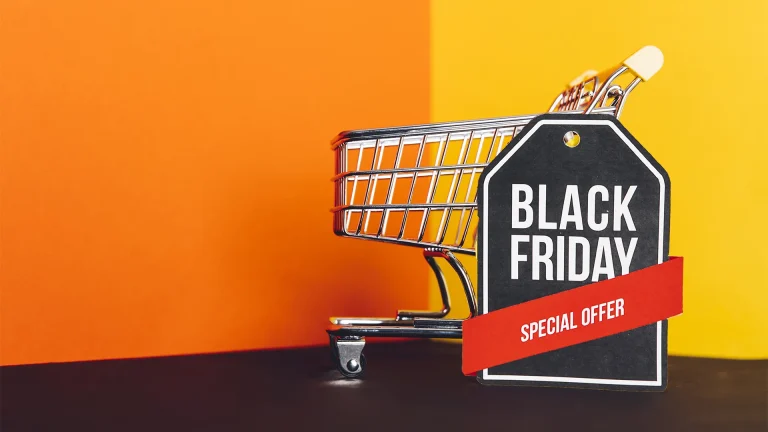
Seasonal marketing, understood as the set of promotional actions that leverage key dates on the commercial calendar, has ceased to be a superficial tool and has become an essential strategy. Seasonal marketing is no longer just about “offering a discount at Christmas,” but about understanding consumer behavior, consumption cycles, the logistics behind each campaign, and the emotions that drive purchases during specific times of the year.
This approach to seasonal marketing has proven time and again that, if applied correctly, it can generate up to three times the return of regular campaigns. But to achieve that impact from seasonal marketing, it's necessary to go beyond the basics and professionalize each phase of the process: from early planning to post-campaign analysis.
The Value of Seasonal Marketing Today
In Latin America, seasonal marketing is a growth driver for e-commerce. It is estimated that by 2025, seasonal marketing will drive a 22% increase in the region. In Spain, the average spending on gifts during the Christmas season reaches €241, representing nearly half of many families’ total celebration budget.
These figures related to seasonal marketing are not coincidental: they reflect how emotions, traditions, and social expectations shape purchasing behaviors that, if well leveraged, can make the difference between a mediocre year and an exceptional one for a brand. The key to seasonal marketing lies in temporality.
Consumers know that seasonal marketing campaigns are limited. That implicit urgency drives faster and less rational purchase decisions. That’s why seasonal marketing campaigns designed with a sense of timing can increase social media engagement by up to 47% and double conversion rates in e-commerce.
Moreover, seasonality also brings another essential value: it allows for predicting demand variations, better operational planning, stock anticipation, fine-tuning product offerings based on what has historically worked, and measuring results with clear cycles. When seasonal marketing is done well, it becomes a structural competitive advantage.

Regionalization of Seasonal Marketing: Keys for Latin America and Spain
1. Local Culture and Festivities
In Latin America, in addition to traditional global holidays, there are religious holidays, national celebrations, carnivals, regional fairs, and local festivals that are deeply rooted, as well as long weekends when people tend to travel or spend more. Identifying these dates allows for launching seasonal marketing campaigns that are less saturated, with lower competition, and which can generate strong impact if they connect with local culture.
Equivalent in Spain: besides Christmas, Epiphany, and Black Friday, local festivals, fairs, and regional holidays (such as Holy Week, town festivals, and local fairs) can be effective levers for seasonal marketing, especially for brands in crafts, gastronomy, tourism, or regional products.
2. Climate, Seasons, Socioeconomic Contexts
The hemisphere matters: summer/winter, holidays aligned with the weather affect what people need. In tropical countries, promoting “extreme winter clothing” makes no sense if people don’t wear it; promoting lightweight or fresh-weather products may be more effective. In Spain, spring and autumn have well-defined fashion seasons; taking advantage of seasonal change collections is key for seasonal marketing.
Additionally, it's important to consider purchasing power, inflation, and local economic cycles: in times of crisis, strong discount campaigns may work as seasonal marketing, but they can also erode perceived brand value if overused.
Not-So-Obvious Dates That Also Drive Sales + Creative Ideas
While traditional dates like Christmas, Black Friday, or Valentine’s Day are the most exploited in seasonal marketing, there are many other less-saturated opportunities that can deliver excellent results. Here are some ideas:
- World Sleep Day (ideal for rest and emotional wellness brands)
- World Selfie Day (perfect for fashion or tech brands)
- Blue Monday (third Monday of January, great for motivation or emotional wellness campaigns)
- Start of spring or autumn, which many fashion brands can leverage with collections or seasonal sales
- High-interest local or international sports seasons
- Local national holidays or long weekends, which drive consumption in tourism, food, transportation, and leisure
Creative ideas for these dates:
- Create social media contests: “Share your best fall selfie” or “Show us how you sleep best” and give away related products as part of a seasonal marketing strategy.
- Themed mixed bundles for these “less obvious” dates: for example, a rest pack with a pillow + aromatherapy for Sleep Day as seasonal marketing; a mobile photography pack for Selfie Day; mental motivation accessories for Blue Monday.
- Collaborations with niche influencers highly aligned with the theme of the emerging date as part of the seasonal marketing campaign.
- Educational content marketing: use those dates to offer value beyond sales: tips, guides, advice, stories that support the campaign and build trust.
Common Mistakes in Seasonal Marketing (and How to Avoid Them)
Despite its potential, many seasonal marketing campaigns fail due to easily avoidable mistakes. Here are some of the most common, with examples and fixes:
Lack of Early Planning
Example: launching a Christmas seasonal marketing campaign only two weeks in advance. Result: improvised creatives, overwhelmed logistics. Fix: start planning at least 3–4 months in advance for large seasonal marketing campaigns.
Not Segmenting the Audience
Sending the same seasonal marketing message to all customers leads many to ignore it or see it as irrelevant. Solution: use past purchase data, location, demographics, and digital behavior to personalize seasonal marketing messages.
Insufficient Logistics
Inventory issues, shipping errors, poorly managed returns during a seasonal marketing campaign. Solution: anticipate quantities, test demand, have contingency plans, and prepare customer service for high volumes.
Confusing or Contradictory Messaging
Seasonal marketing offers with hidden fine print, terms that change by channel, different prices on the website vs. social media. Solution: clarity and consistency across all touchpoints.
Ignoring Historical Data
Not analyzing which products sold best, in which cities, or through which channels leaves your seasonal marketing strategy to chance. Fix: review previous seasonal data, find patterns, adjust offers, timing, and channels accordingly.
Irresponsible Deep Discounts
Dropping prices too low during seasonal marketing can deteriorate brand perception and create customer dependency on discounts. Better strategy: attractive promotions while maintaining brand value through special editions, exclusive products, or loyalty benefits.
No Flexible Budget
If you don’t allow margin for unexpected costs (like rising ad costs, extra creative needs, or logistics issues), you may fall short or end up with a poorly executed seasonal marketing campaign. Good practice: have a reserve budget for adjustments during the campaign.

How to Measure the Success of a Seasonal Campaign?
To properly evaluate a seasonal marketing campaign, it's essential to establish key performance indicators (KPIs) that go beyond just sales volume. Here are some examples:
- Conversion Rate: the percentage of visitors who made a purchase.
- Average cart value: an indicator of whether promotions increased the average ticket.
- Number of new customers: did you attract new buyers through seasonal marketing, or only the usual ones?
- Social media engagement: likes, comments, shares, views of your seasonal marketing campaign.
- Email open rate: key to evaluating the effectiveness of seasonal marketing messages sent.
- Delivery times and customer satisfaction: it’s not just about selling—fulfilling what you promised also matters.
- ROI by channel: how much return each advertising channel used in the seasonal campaign generated.
- Retention / repeat purchase rate: a measure of how many customers return after the campaign.
- Customer acquisition cost (CAC): how much it cost to attract each new customer.
- Reach and message frequency: how many people saw the ads, how many times, and how this affects consumer saturation or fatigue.
- Additionally, it's useful to define qualitative goals: brand perception, satisfaction, reviews, testimonials, user-generated content. These factors may not immediately reflect in sales but contribute to medium-term brand value.
Emerging Trends for 2025–2026: Towards Smarter Seasonal Marketing Campaigns
Seasonal marketing will no longer be the same going forward. Here are some trends in seasonal marketing worth keeping in mind:
1. Hyper-personalization through Artificial Intelligence
Using predictive models to anticipate which products customers will want each season, suggesting personalized offers, dynamic pricing, automatic recommendations. AI allows for automation of many parts of the process, freeing up time for creativity and strategy in seasonal marketing.
2. Immersive Experiences and Augmented / Virtual Reality
Trying on clothes virtually, seeing how furniture would look at home via augmented reality, interactive online experiences to "get into the spirit" of the seasonal marketing period (e.g., virtual Christmas decorations, festive filters on social media).
3. Sustainability as a Differentiator
Recycled packaging, charitable donations, eco-friendly products, minimizing waste. Consumers are more conscious. A sustainable Christmas seasonal marketing campaign or a seasonal offer that incorporates social responsibility can earn greater loyalty.
4. Conversational Marketing and Social Commerce
Use of chatbots, WhatsApp or Messenger messages, purchases within social networks, livestream shopping. Shortening the sales funnel by allowing users to buy directly from a post or chat can reduce friction and increase conversions during seasonal marketing.
5. User-Generated Content (UGC) and Local Micro-Influencers
Real testimonials, customer photos using your products, recommendations from familiar people build trust. Brands that encourage UGC tend to achieve higher conversion rates even in seasonal marketing. Local micro-influencers have small but highly engaged audiences, which can yield excellent ROI.
6. Emerging Dates and Personalized Niches
Not just leveraging major dates, but also creating—if your brand allows—your own "micro-moments" of seasonal marketing: a special "end of the month" promo, a themed day you can create yourself, special activities for your customer community, etc.
7. Mobile Optimization and Lightweight Experience
Since many customers shop from their phones, especially during holidays or while on the go, your site must be perfectly optimized for seasonal marketing: fast loading, clear interface, accessible buttons, simplified checkout.
8. Use of Real-Time Data for Dynamic Adjustments
Constantly analyzing what’s working and what isn’t in your seasonal marketing strategies—even making small last-minute changes: reallocating budget between channels, changing creatives that aren’t performing, adjusting offers that aren’t well received.
Practical Recommendations for Your Business/Brand
- Select 3–4 key dates that truly impact your niche, and focus on excellence in your seasonal marketing rather than trying to cover all superficial dates.
- Create exclusive product bundles for those dates, with attractive themed packaging for seasonal marketing.
- Offer pre-sales or early discounts for recurring customers or subscribers, to ensure sales and improve planning for your seasonal marketing.
- Run A/B tests on messaging, creatives, and channels in your seasonal marketing to see what works best with your local audience.
- Implement careful post-sale follow-up of your seasonal marketing: check satisfaction, request reviews, encourage user-generated content.
- Automate email marketing with sequences that accompany the customer before, during, and after the seasonal marketing campaign.
- Always include a retargeting strategy (abandoned carts, incomplete checkouts) in your seasonal marketing, as this significantly increases conversions during high-traffic periods.
- Consider offering complementary services to your seasonal marketing that enhance the experience: gift wrapping, personalized cards, express shipping, reminders for important dates (birthdays, anniversaries) with special offers.
- Maintain clear communication with customers about delivery times, return policies, shipping costs, to avoid unmet expectations during your seasonal marketing campaign.

Seasonal marketing is no longer just a discount tool for holiday sales: it’s a comprehensive strategy that can generate significant benefits if executed with anticipation, creativity, personalization, consistency, and customer care. Beyond the moment of purchase, well-designed seasonal marketing campaigns have the power to generate emotional bonds with consumers, boost brand recognition, and strengthen long-term loyalty. The emotions associated with key dates—such as nostalgia at Christmas, love on Valentine’s Day, or gratitude on Mother’s Day—offer a unique opportunity to connect with audiences in a deeper, more authentic way.
In Latin America, seasonal marketing is growing rapidly, partly due to the rise of e-commerce, changing consumer habits, and the digitalization of small and medium-sized businesses. In Spain, it remains one of the most decisive times of the year, especially in sectors like fashion, food, tourism, and retail. But to truly capitalize on these opportunities, brands must adapt to the cultural, seasonal, and logistical specificities of each region, understanding that what works in one country or segment may need adjustments in another. Companies that achieve execution aligned with local expectations and customer experience will have a clear competitive advantage.
Brands that understand this don't just sell more at Christmas or during Black Friday: they build relationships, strengthen their identity, and position themselves as top-of-mind for consumers. In a market where everyone is competing for attention, leveraging the calendar with seasonal marketing as an ally can be the difference between being overlooked or leading the season. If you want to learn more about seasonal marketing and create the best campaigns, write to us at [email protected]. We have a team of experts ready to advise you.
 EN
EN  ES
ES