
In an increasingly competitive world, where consumer options seem endless, brands are forced to constantly innovate to stay relevant. While traditional marketing strategies continue to be effective, the most successful brands are exploring more advanced and personalized methods to connect with their audience.
In this context, sensory marketing has emerged as a powerful and transformative tool. As consumers become more demanding and are saturated with visual and digital stimuli, brands must go beyond the conventional to capture their attention and create a real connection.
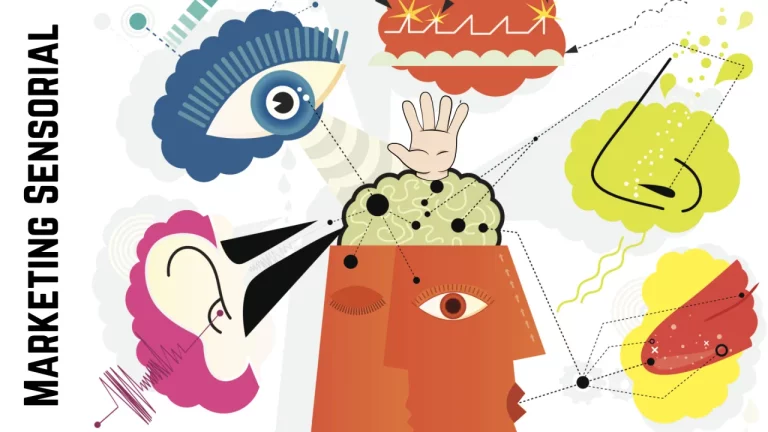
Sensory marketing offers a response to this need by engaging multiple senses and creating deep experiences that impact not only purchasing behavior but also the emotional perception of consumers. Sensory marketing differs from traditional techniques by using specific sensory stimuli (sight, hearing, touch, smell, and taste) to build an immersive and memorable experience.
Instead of focusing solely on the functionality of the product or service, sensory marketing aims to generate emotions that are engraved in the consumer's mind. This aspect of sensory marketing allows brands to establish a longer-lasting and more meaningful relationship with their customers, influencing their purchasing decisions and fostering loyalty.
By strategically engaging the senses with sensory marketing, brands not only present their offering but also create an atmosphere that appeals directly to the psychology and emotions of the consumer. This, in turn, enhances the effectiveness of their campaigns, turning them into truly unique experiences. Below, MoodWebs provides more details on sensory marketing.

What is Sensory Marketing?
Sensory marketing refers to the use of sensory stimuli (sight, hearing, touch, smell, and taste) to impact the consumer in a deep, personalized, and unique way. This sensory marketing strategy directly appeals to the human senses in order to generate an emotional connection with the customer, influence their purchasing decisions, and foster long-term loyalty.
Unlike traditional marketing techniques, which often focus on the consumer’s intellect, sensory marketing appeals to their emotions, creating a much more intense and memorable experience. The primary purpose of sensory marketing is to enhance the consumer’s experience by offering a sensory stimulus that makes them feel special, engaged, or even relaxed.
Sensory marketing can have a direct impact on purchasing behavior, as buying decisions are not only based on the need for the product but also on the emotional connection the brand establishes with the consumer. Brands that apply sensory marketing can influence the perception of their products, position their offerings distinctly in the consumer’s mind, and, in turn, transform the shopping experience from a routine activity into a unique and immersive moment.
This type of marketing, sensory marketing, has proven especially useful in sectors like retail, hospitality, luxury, and entertainment, where customer experience plays a crucial role in fostering loyalty and creating a long-term relationship with the brand.
The 5 Senses in Sensory Marketing
1. Sight: Visual Persuasion that Influences Decision
Sight is one of the most powerful senses in sensory marketing. Colors, typography, design, and the arrangement of products are visual elements that directly affect the brand’s perception.
Studies have shown that 75% of purchasing decisions are based on the visual appearance of a product. That is why designers and brands put so much effort into creating a visual aesthetic that aligns with their values and objectives, as part of sensory marketing.
Each color has its own psychology. Red, for example, can increase desire and excitement, while blue tones are known to generate trust and security. The most successful brands not only choose colors that align with their business goals for sensory marketing but also design their products, stores, or websites in a way that visually attracts the customer.
In addition to colors, typography is another key factor in sensory marketing. A well-chosen font not only conveys the tone of the brand but can also make consumers feel more comfortable and connected. Bold fonts can evoke strength and confidence, while more delicate and stylized fonts can convey sophistication and elegance.
Store design also plays a crucial role in attracting consumers according to sensory marketing. Brands that understand the power of sight in their sensory marketing invest in creating visually pleasing environments that are easily recognizable and guide the customer through a smooth shopping experience.
Additionally, the images that brands use in their sensory marketing campaigns are also essential. High-quality, emotionally resonant images can convey a message more directly and effectively than words.
2. Hearing: Music and Sounds that Reinforce the Brand
The sense of hearing is another key aspect of sensory marketing. Background music, sounds, and jingles can have a significant impact on how a brand is perceived in sensory marketing.
For example, sound can have a relaxing, stimulating, or energizing effect, depending on the atmosphere that is desired to be created with sensory marketing. Starbucks, for example, uses soft and relaxing music in its cafes, creating a sense of comfort and calm for its customers, encouraging them to stay longer and consume more products.
The use of specific sounds is also designed to generate an environment that complements the brand’s visual aesthetics from sensory marketing. Luxury stores, for example, often choose soft and elegant music that makes consumers feel calm, while energetic brands like sports stores tend to use fast and rhythmic music that increases adrenaline and excitement.
Jingles, like those used by beverage brands or fast food chains, are also an example of how sound can become an integral part of a brand’s identity. These jingles, from sensory marketing, stay embedded in the consumer’s memory, instantly associating the brand with a specific emotion or experience.
Sound can also enhance the perception of quality according to sensory marketing. Luxury car brands like Mercedes-Benz or BMW use exclusive sounds when starting their vehicles, reinforcing the sense of quality and sophistication they aim to convey to their customers with sensory marketing.
3. Touch: Creating an Attractive Physical Experience
Touch plays a vital role in how consumers interact with products, especially when it comes to those that can be physically touched. The use of soft, textured, or innovative materials in products or packaging can increase the perception of quality and enhance the shopping experience according to sensory marketing.
Fashion and technology brands make the most of the sense of touch to convey a sense of luxury or comfort. High-end smartphones, like those from Apple, are not only characterized by their specifications but also by their ergonomic design and the quality of their materials, creating a unique tactile experience for consumers.

In physical stores, the way products are organized, the design of furniture, and surfaces can also influence how customers perceive the brand. A comfortable and welcoming environment, with cozy seating, can increase the time a customer spends in a store, which generally leads to higher sales and a stronger connection to the brand according to sensory marketing.
Touch is also reflected in product packaging. Many luxury brands invest in high-quality packaging that is not only functional but also provides a tactile experience that elevates the product’s perception according to sensory marketing.
4. Smell: Aromas that Awaken Emotions and Foster Loyalty
Smell is one of the most powerful senses when it comes to generating an immediate emotional response, which is leveraged by sensory marketing. Scents have the ability to instantly evoke memories and sensations, and the most successful brands have learned to use this sense to enhance the customer experience. Research in sensory marketing has shown that pleasant odors can influence the perception of product quality and increase the likelihood of purchase.
In stores like Lush, customers are greeted with the characteristic scent of their products, which helps create an emotional connection and a multisensory experience promoted by sensory marketing. Hotels and spas, for their part, often use relaxing scents like lavender or eucalyptus to promote a tranquil atmosphere according to sensory marketing.
In addition to pleasant odors, the use of strategic aromas can also associate a brand with a particular feeling or emotion from the perspective of sensory marketing. Studies have shown that people tend to spend more money in environments that smell good, as aroma has a direct effect on their emotional state.
Clothing brands also exploit this sense by creating immersive sensory experiences in their stores through sensory marketing. Some luxury brands have exclusive scents that permeate their stores, making customers immediately identify the brand when they smell the same scent in other contexts.
5. Taste: A Unique Sense for Food and Beverage Marketing
Although the sense of taste cannot be applied in all sectors, it plays a fundamental role in the food and beverage industry. Brands that market edible products can take full advantage of this sense to create memorable and unique experiences through sensory marketing. Companies producing food and beverages employ this sense in a way that not only seeks to sell a product but to generate a sensory experience that stays in the consumer's memory.
Taste, in this sense, is a vehicle for creating an emotional relationship with consumers. Coca-Cola, for example, has become much more than a drink: it is a symbol of special moments, celebrations, and shared emotions. By associating its unique flavor with moments of joy, Coca-Cola has positioned itself as one of the most beloved and globally recognized brands, thanks to sensory marketing.
Restaurants and bars have also understood the power of this sense by creating menus with unique flavors that consumers not only enjoy but also associate with the brand's identity from a sensory marketing perspective. The tasting method in high-end restaurants has become a form of sensory marketing that not only attracts customers but also turns them into brand advocates.
Examples of Sensory Marketing in Practice
Apple: Apple has mastered sensory marketing, not only with its minimalist designs but also with the complete sensory experience offered in its stores and products. The use of neutral colors, soft-touch materials, and a quiet sonic experience in its stores creates an atmosphere that conveys exclusivity, luxury, and sophistication. This approach to sensory marketing not only highlights its products but also establishes a strong emotional bond with consumers.
Coca-Cola: Coca-Cola uses a sensory approach in its advertising, linking the unique taste of its drink with feelings of happiness and celebration. The sound of the can opening, the aroma, and the bright red color in its ads all contribute to creating an emotional connection that makes its consumers associate the brand with special and festive moments through sensory marketing.
Starbucks: Starbucks has perfected sensory marketing by creating a multisensory experience in each of its cafes. From the aroma of freshly brewed coffee to the relaxing background music, everything is designed to make the customer feel comfortable and relaxed. Additionally, the feel of the cups and the cozy atmosphere encourage consumers to stay longer, increasing sales and brand loyalty through sensory marketing.
Nike: Nike has also implemented sensory marketing by associating its brand with feelings of energy and action. The design of its stores, background music, and use of inspiring images create an experience that motivates consumers to feel part of something bigger. The sense of belonging, energy, and activity is present in every corner of its physical and digital spaces, making the most of sensory marketing.

Sensory marketing has established itself as a key strategy for brands that want to stand out in a saturated and highly competitive market. Sensory marketing is not a passing trend but a strategic approach that has the power to transform the way companies interact with their consumers.
By creatively and coherently leveraging sensory stimuli, brands can generate experiences that not only attract attention but also create deep emotional bonds through sensory marketing. Whether through visual elements, sounds, textures, scents, or flavors, each of these stimuli has the potential to influence consumer perception and behavior, increasing the likelihood of conversion and long-term loyalty.
Brands that successfully integrate all five senses into their strategy have a clear competitive advantage thanks to sensory marketing. Not only can they differentiate themselves from the competition, but they can also create a more authentic and meaningful relationship with their customers, thereby increasing the perceived value of their offering.
In a world where consumers are seeking personalized and unique experiences, sensory marketing emerges as a powerful tool to retain and attract new customers. If your company has not yet taken the step toward this sensory marketing strategy, now is the perfect time to do so.
Consumers are already connecting with brands through their senses, and your brand should not fall behind in this evolution of sensory marketing. If you wish to receive personalized advice on implementing sensory marketing, write to us at [email protected]. We have a marketing team ready to help you devise the best sensory marketing strategy.
 EN
 ES